
10 min de lectura
Automatización de flujos de trabajo con IA para tiendas Shopify en crecimiento
Por ExactFlow Team
12 de junio de 2026
El crecimiento de una tienda Shopify tiene un comienzo emocionante, hasta que el trabajo monótono empieza a devorar el día. No pasa mucho tiempo antes de que las órdenes, las consultas de los clientes, las actualizaciones de inventario, los informes y las tareas de marketing se acumulen, y es frente a esto que la automatización de flujos de trabajo con IA se está convirtiendo cada vez más en una necesidad entre los equipos de comercio electrónico modernos.
En lugar de tratar cada acción como una tarea manual distinta, las tiendas inteligentes emplean la IA para conectar los flujos de trabajo, minimizar los errores y garantizar que las operaciones funcionen sin una supervisión constante.
¿Qué es la automatización de flujos de trabajo con IA?
Es el empleo de la inteligencia artificial para realizar tareas repetitivas automatizadas en las empresas, así como para tomar decisiones inteligentes basadas en datos, patrones o el contexto. En una tienda Shopify, esto puede significar dirigir pedidos, marcar el bajo inventario, personalizar correos electrónicos o responder preguntas de soporte sin un esfuerzo manual adicional.
La diferencia entre la automatización básica y la automatización de flujos de trabajo con IA es la inteligencia. Una IA puede razonar, adaptarse a las excepciones y mejorar, mientras que un sistema basado en reglas solo es capaz de seguir instrucciones y adaptarse a las excepciones previamente programadas.
Por qué las tiendas Shopify en crecimiento la necesitan
Cuando una tienda es pequeña, el trabajo manual puede parecer manejable. Sin embargo, a medida que aumentan el tráfico, los pedidos y los tickets de soporte, empiezan a surgir grietas. Es entonces cuando la automatización de flujos de trabajo con IA empieza a generar un valor real.
Puntos críticos comunes en las tiendas en crecimiento
- El procesamiento de los pedidos se ralentiza a medida que aumenta el volumen.
- Los informes de inventario no están actualizados con las ventas reales.
- Los equipos de soporte dan las mismas respuestas durante todo el día.
- Las campañas de marketing son más difíciles de personalizar.
- Los informes tardan demasiado tiempo en responderse.
Estos problemas no son solo dolores de cabeza operativos. También influyen en la experiencia del cliente, en la marca y en la forma en que esas tiendas pueden escalar de manera limpia.
Dónde encaja la IA dentro de Shopify
Shopify ofrece a los comerciantes una base sólida para el comercio electrónico, pero las marcas más populares suelen requerir una capa más inteligente por encima. Ahí es donde se puede crear el flujo de trabajo de automatización con IA: conectará Shopify con las herramientas de soporte, finanzas, logística y marketing para que la tienda funcione de manera más eficiente.
Para ilustrarlo, la IA puede supervisar ciertos eventos en su tienda, llegar a una conclusión sobre su significado e iniciar el siguiente paso adecuado. Un pedido de gran valor se elevaría para ser revisado manualmente, mientras que un producto que está a punto de agotarse generaría una alerta de reabastecimiento.
Para ver un panorama más amplio de cómo funciona la automatización de Shopify en la práctica, resulta útil saber cómo ayuda la plataforma a los flujos de trabajo conectados. Puede explorar más en Shopify.
¿Qué es la automatización de flujos de trabajo con agentes de IA?
Es ir un paso más allá en los requisitos de automatización estándar. Un agente de IA puede analizar el contexto, tomar una decisión y ejecutar una secuencia de acciones, en lugar de limitarse a aplicar una regla fija.
En el caso de las tiendas Shopify, esto significaría que un agente de IA no solo detecta un artículo con pocas existencias, sino que también puede redactar una solicitud de pedido, notificar al miembro del equipo adecuado y actualizar un panel de control. Esto resulta especialmente útil cuando los flujos de trabajo requieren criterio y no una mera repetición.
La fuerza de los agentes de IA radica en el hecho de que mitigan el volumen de pequeñas decisiones que su equipo tiene que tomar a diario. Eso deja a las personas en libertad para concentrarse en el crecimiento, la estrategia y las relaciones con los clientes.
Si desea ver un ejemplo práctico de este estilo de automatización, consulte el Agente Operativo Kai IA.
Software de automatización de flujos de trabajo con IA: Qué buscar
No todas las herramientas son iguales. El software de automatización de flujos de trabajo con IA óptimo en una tienda Shopify no solo debe emitir notificaciones.
Características clave a priorizar
- Integración con Shopify que se adapte bien y sea fluida.
- Toma de decisiones impulsada por IA para casos particulares (edge cases).
- Flujos de trabajo de múltiples pasos entre aplicaciones y equipos.
- Visibilidad y claridad en los informes.
- Instalación sencilla sin grandes esfuerzos de ingeniería o programación.
Esto no tiene como objetivo añadir más herramientas. La idea es minimizar la fricción y garantizar que su tienda sea más fácil de gestionar a medida que crece. Empezar con un buen software debería ser como tener un operador silencioso que hace las cosas en segundo plano.
Análogamente, para hacerse una idea de cómo puede encajar la automatización en diversas fases de crecimiento, los precios de ExactFlow pueden ayudarle a planificar el coste y la implementación.
También puede ser testigo de cómo se suelen esquematizar los procesos de las aplicaciones conectadas utilizando Zapier.
Casos de uso inteligentes para tiendas Shopify
Gestión de pedidos
El software de IA se puede utilizar para dirigir pedidos automáticamente, marcar excepciones de forma automática y notificar a los clientes automáticamente. Esto minimizará los retrasos y ayudará a su equipo a evitar el trabajo de los seguimientos manuales.
Control de inventario
Las alertas de stock bajo y los flujos de trabajo de reabastecimiento pueden activarse en función de las tendencias de ventas en tiempo real, en lugar de utilizar hojas de cálculo estáticas. Esto ayuda a evitar la sobreventa y la escasez de existencias.
Soporte al cliente
La IA es capaz de responder a consultas estándar, clasificar tickets y delegar casos complicados en agentes humanos. Esto hará que la experiencia de soporte sea más rápida y estable.
Operaciones de marketing
La IA podría ayudar en la segmentación de clientes, el envío de correos electrónicos personalizados y la identificación de oportunidades de compra repetida. Se encuentra entre las aplicaciones más viables de la automatización de flujos de trabajo con IA, ya que mejora los ingresos sin aumentar la carga de trabajo.
Informes y previsiones
La IA puede generar métricas útiles en tiempo real, en lugar de tener que esperar hasta el final de la semana o del mes, o incluso recopilar todas las semanas o meses anteriores. Esto implica decisiones más eficaces y un tiempo de respuesta más rápido.
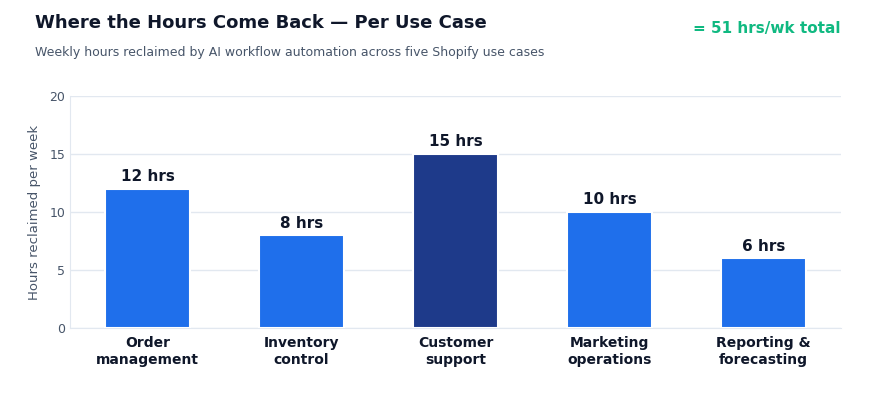
Tabla 1 · El manual de estrategia de automatización de flujos de trabajo con IA para Shopify
| Caso de uso | Evento desencadenante (Trigger) | Qué hace el agente de IA | Horas recuperadas / semana | Esfuerzo / Victoria |
|---|---|---|---|---|
| GESTIÓN PEDIDOS | Nuevo pedido creado en Shopify | Envía los pedidos al almacén, genera una etiqueta y señala los pedidos que son muy valiosos o algo arriesgados para que alguien los compruebe. | ~12 horas | VICTORIA RÁPIDA |
| INVENTARIO | El nivel de existencias cambia por una venta, devolución o reposición | Se asegura de que todo coincida en todos los canales, predice cuándo se agotará algo en unos cinco a siete días y escribe una lista de artículos para volver a pedir para la aprobación humana. | ~8 horas | VICTORIA RÁPIDA |
| SOPORTE | Nuevo ticket, sesión de chat o pregunta post-compra | Responde a las preguntas, averigua lo que la gente realmente quiere y envía las preguntas difíciles a una persona que pueda proporcionar toda la información necesaria. | ~15 horas | VICTORIA RÁPIDA |
| MARKETING | Señal de comportamiento del cliente (navegación, compra repetida, inactividad) | Agrupa a los compradores, les envía correos electrónicos personalizados para ellos y descubre cuándo necesitará comprar cada cliente de nuevo. | ~10 horas | ESTRATÉGICO |
| REPORTES | Comprobaciones de métricas diarias, semanales o basadas en umbrales | Genera KPIs en tiempo real, detecta anomalías en los ingresos o en el cumplimiento de pedidos y redacta un resumen de lo sucedido cada semana. | ~6 horas | VICTORIA RÁPIDA |
Qué deberían automatizar primero los equipos de Shopify
El mejor lugar para empezar es con las actividades repetitivas y/o de gran volumen que tengan un riesgo bajo. Esto suele incluir etiquetas de pedidos, alertas de stock, respuestas de soporte e informes internos.
Estos flujos de trabajo son óptimos ya que proporcionan victorias rápidas y demuestran al equipo cómo la automatización de flujos de trabajo con IA va más allá del simple trabajo rutinario para transformar todo el negocio de la noche a la mañana.
Empezar poco a poco
Seleccione un flujo de trabajo, póngalo a prueba, cuantifique el resultado y luego escale hacia arriba.
Mantener a los humanos bajo el control
La IA debe ayudar a la toma de decisiones, no eliminar la supervisión allí donde el criterio personal es importante.
Construir para escalar
Los sistemas óptimos se expandirán con la tienda en lugar de causar una complejidad adicional más adelante.
Conclusión
Así que tiene una tienda Shopify. Quiere que le vaya bien. El caso es que trabajar duro no es suficiente. Necesita disponer de sistemas que puedan seguir el ritmo de todo.
Ahí es donde entra en juego la automatización de los flujos de trabajo con IA. Ayuda a que el trabajo aburrido y complicado sea más fácil y rápido para que su equipo pueda centrarse en hacer crecer su tienda Shopify.
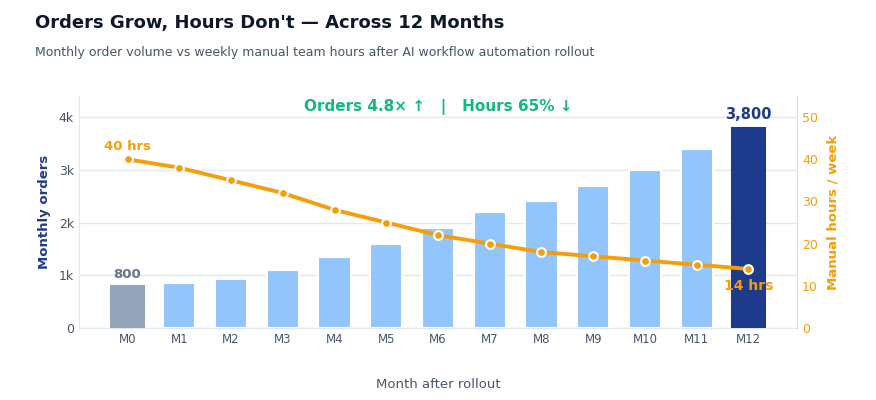
Cuando cuenta con un sistema y los flujos de trabajo adecuados, puede recibir más pedidos y responder a la gente más rápido. También puede tomar decisiones sin tener que trabajar en exceso.
ExactFlow es una herramienta que ayuda a los equipos que utilizan Shopify a mejorar sus flujos de trabajo y a utilizar la IA para que su negocio funcione con mayor fluidez. De este modo, pueden hacer crecer su negocio sin todos los problemas que ello conlleva.
Las marcas que tienen éxito a largo plazo son las que ordenan sus sistemas desde el principio. Así, cuando las cosas se ponen difíciles, la automatización de los flujos de trabajo con IA ya forma parte de su forma de hacer negocios.
Preguntas frecuentes
1. ¿Qué es la automatización de flujos de trabajo con IA?
Es el uso de la IA para realizar tareas que tiene que hacer una y otra vez. Realiza estas tareas por sí sola de forma automática. También puede tomar buenas decisiones basadas en la información que posee y en la situación.
2. ¿Qué es la automatización de flujos de trabajo con agentes de IA?
Es una forma avanzada de automatizar tareas. Con ella, los agentes de IA pueden decidir qué hacer, emprender acciones y finalizar tareas que constan de varios pasos. Pueden hacer todo esto a través de diferentes herramientas.
3. ¿Por qué es útil la automatización de flujos de trabajo con IA para las tiendas Shopify?
Es útil para las tiendas Shopify porque les ayuda a ahorrar tiempo. También ayuda a reducir errores, mejora el servicio al cliente y permite que las tiendas crezcan sin necesidad de contratar a un equipo grande.
4. ¿Qué debo buscar en un software de automatización de flujos de trabajo con IA?
Debe buscar algo que funcione bien con Shopify. También que sea capaz de realizar tareas de forma flexible, tomar decisiones utilizando la IA, ofrecerle información clara sobre lo que está haciendo y ser fácil de configurar aunque no se le dé bien la tecnología.