

11 دقيقة للقراءة
أفضل استراتيجيات أتمتة المبيعات بالذكاء الاصطناعي
بقلم ExactFlow Team
24 يونيو 2026
إذا كنت تجد أن فريق المبيعات لديك يقضي وقتًا طويلاً للغاية في المتابعات، وتوجيه العملاء المحتملين، والأعمال المتكررة، فلست وحدك في ذلك. الخبر السار هو أن الذاء الاصطناعي يمكنه إزالة هذا العمل الشاق الروتيني حتى يتمكن فريقك من العودة إلى البيع الفعلي! يستكشف هذا الدليل استراتيجيات لجعل أتمتة المبيعات بالذكاء الاصطناعي مفيدة، وإنسانية، ومربحة.
أنظمة مبيعات أكثر ذكاءً للمتاجر المتنامية
إن بيع الأشياء عبر الإنترنت لا يقتصر فقط على جذب الأشخاص لزيارة موقعك الإلكتروني. بل يتعلق بالاستجابة لهم، ومتابعتهم بطريقة جيدة، ومساعدة كل مشترٍ دون جعله يشعر بأنه يتعامل مع آلة. وهنا تصبح أتمتة المبيعات التي تستخدم الذكاء الاصطناعي مفيدة حقًا. فهي تساعد الأشخاص الذين يعملون في فرق التجارة الإلكترونية على العمل بشكل أسرع، والبقاء منظمين، وتحويل الأشخاص المهتمين إلى مشترين فعليين دون الحاجة إلى القيام بمزيد من العمل اليدوي.
الجزء الأفضل هو أنك لا يتعين عليك بدء عملية المبيعات الخاصة بك من البداية مجددًا. يمكنك تحسين جزء واحد في كل مرة باستخدام أدوات تؤدي المهام، حتى يتمكن فريقك من التركيز على التحدث إلى الأشخاص الذين يحتاجون حقًا إلى التحدث مع شخص بشري.
لماذا يغير الذكاء الاصطناعي عمل المبيعات
تهدر فرق المبيعات مقدارًا مدهشًا من الوقت في أنشطة لا تؤدي مباشرة إلى المبيعات. مثل التعامل مع العملاء المحتملين غير المؤهلين، وإعادة إرسال نفس الرسائل مرارًا وتكرارًا، وقضاء ساعات في تحديث السجلات. ويمكن لأتمتة المبيعات بالذكاء الاصطناعي القيام بذلك تحديدًا عن طريق تبسيط عمليات المبيعات وتحسين الاتساق.
ما يساعد فيه
- تقييم العملاء المحتملين وتوجيههم.
- توقيت المتابعة.
- البريد الإلكتروني وتخصيص الرسائل.
- تحديثات خطوط المبيعات (Pipeline).
- العمل الإداري المتكرر.
ومع تخفيف هذه المهام، سيكون لدى مندوبي المبيعات المزيد من الوقت المتاح للتفاعلات الفعلية ووقت أقل في المهام المتكررة. ولهذا السبب تتجه العديد من الشركات إلى أفضل برامج أتمتة المبيعات باستخدام الذكاء الاصطناعي، بدلاً من التمسك بممارسات إدارة علاقات العملاء (CRM) التقليدية فقط.
الاستراتيجية 1: أتمتة الاستجابة للعملاء المحتملين بسرعة
السرعة مهمة. عندما يقوم شخص ما بملء نموذج، أو طرح سؤال، أو إظهار اهتمام بالشراء، فمن غير المناسب الانتظار حتى وقت لاحق من اليوم. يمكن للذكاء الاصطناعي الاستجابة بسرعة، وتوفير التوجيه، وضمان بقاء العملاء المحتملين متفاعلين في المحادثة.
لماذا ينجح هذا
يكون الأشخاص أكثر عرضة للاستجابة عندما تشعرهم العلامة التجارية بالاهتمام. العملاء المحتملون المهتمون للغاية لن يبرد حماسهم إذا تمت متابعتهم بسرعة. وفي كثير من الأحيان، تحظى أول شركة تستجيب بأكبر فرصة للفوز بالصفقة.
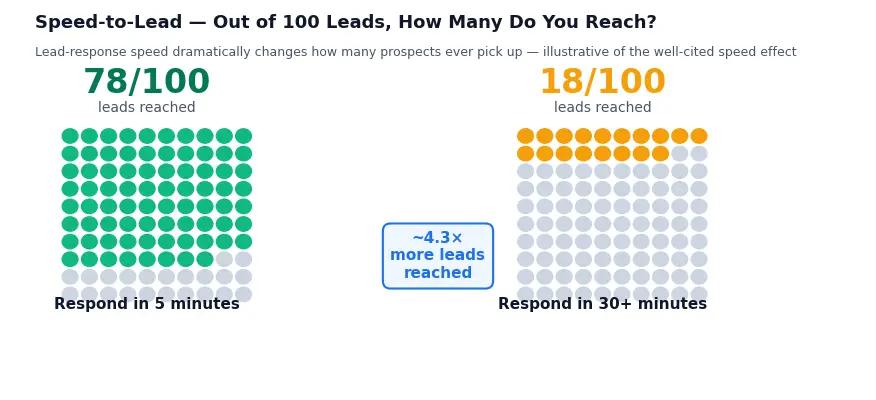
هذا أحد أسهل المكاسب لأتمتة المبيعات بالذكاء الاصطناعي، حيث يجب أن تكون القيمة واضحة، وغالبًا ما يكون الإعداد بسيطًا للغاية.
إذا كان فريقك يرغب في قياس عمليات دعم التجارة الإلكترونية وعمليات مبيعات التجارة الإلكترونية، فإن ExactFlow هو المكان المناسب للبدء.;
الاستراتيجية 2: تقييم العملاء المحتملين تلقائيًا
بعض العملاء المحتملين أكثر أهمية من غيرهم. أو بعض الزوار لديهم فضول فقط، بينما الآخرون مستعدون للشراء. يمكن للذكاء الاصطناعي أن يكون أداة تمييز أكثر فائدة لفرق المبيعات، حيث يمكنه تقييم العملاء المحتملين بناءً على سلوكهم، ومصدرهم، وتوقيتهم، وتفاعلهم.
طريقة أفضل لتحديد الأولويات
- متابعة سريعة للعملاء المحتملين ذوي الجودة العالية.
- العملاء المحتملون ذوو النوايا المنخفضة يتم وضعهم في مسارات رعاية وتغذية الاهتمام.
- يستثمر مندوبو المبيعات في المجالات التي تكون فيها نسبة تحويلهم أعلى.
هذا هو المكان الذي تصنع فيه أتمتة المبيعات المدعومة بالذكاء الاصطناعي فرقًا كبيرًا. فهي تساعد الفرق في استهداف الفرص بدلاً من التخمين العشوائي.
إن أسعار ExactFlow مفيدة إذا كنت تقوم بتقييم خطط الأتمتة ونماذج التكلفة، ولفهم الخيارات الأنسب للفرق المختلفة.
الاستراتيجية 3: بناء سير عمل مبيعات مأتمت
فرق المبيعات الفعالة لا تعتمد فقط على ذاكرة رجل المبيعات. بل ينشئون أنظمة فعالة لإشراك العملاء المحتملين من مرحلة الاهتمام إلى اتخاذ الإجراء. يمكن لتدفقات العمل المؤتمتة للمبيعات تمكين ذلك من خلال دمج النماذج، وخطوات إدارة علاقات العملاء (CRM)، والمتابعات، والتذكيرات، وتسليم المهام، وكل ذلك في تسلسل سلس.
أمثلة شائعة
- عميل محتمل جديد ← بريد إلكتروني فوري ← إشعار لمندوب المبيعات.
- طلب عرض توضيحي ← رابط التقويم ← مهمة متابعة.
- إرسال عرض سعر ← تسلسل تذكيري ← تحديث الحالة.
- عدم وجود استجابة ← مسار رعاية ← رسالة إعادة تفاعل.
عمليات العمل هذه تعزز الجهود الجماعية المبسطة والمتماسكة للفرق. كما أنها تمكن من تسليم المهام بشكل أكثر سلاسة، وهو أمر بالغ الأهمية في التجارة الإلكترونية، حيث السرعة والوضوح هما الأهم.
الاستراتيجية 4: تخصيص التواصل على نطاق واسع
سيكون العميل قادرًا على التعرف على الرسالة العامة غير المخصصة. كما أنهم يدركون مدى ملاءمة وتوقيت الرسالة. يمكن استخدام الذكاء الاصطناعي لتكييف الرسائل وفقًا لاهتمام العميل بمنتج معين، أو موقعه، أو مرحلته في قمع المبيعات، أو نشاطه.
كيف يبدو هذا
- رسائل متابعة خاصة بمنتج معين.
- خيارات متنوعة تعتمد على العميل.
- توقيت أكثر كفاءة باستخدام السلوك.
- تسليم أكثر كفاءة للمهام من التسويق إلى المبيعات.
الفكرة ليست محاولة التباهي أو التظاهر بضخامة الأمر، بل الفكرة هي أن تكون مفيدًا. وهذا ما يجعل أتمتة المبيعات بالذكاء الاصطناعي أفضل من الرسائل الجماعية العادية.
إذا كنت تبحث عن حالة استخدام واضحة لأتمتة المبيعات، فإن Zane AI Sales Agent يساعد الشركات على استخدام وكيل مبيعات داخلي لتعزيز متابعات أكثر ذكاءً وتوليد الإيرادات.
الاستراتيجية 5: استخدام الذكاء الاصطناعي لمتابعة المبيعات
تضيع العديد من الصفقات بسبب اليوم الأول من الاتصال، وليس قبله. فالناس ينشغلون، وينسون، ويجرون مقارنة للتكاليف ثم يمضون قدمًا في أفضل خيار اتخذوه. يمكن للذكاء الاصطناعي العمل معًا لضمان الاتساق والانتظام في المتابعات دون إلحاح على الإطلاق.
حالات استخدام جيدة للمتابعة
- رسائل بريد إلكتروني للتذكير بالمتابعة بعد عروض الأسعار/العروض التوضيحية.
- جهود إعادة التفاعل بعد عدم تلقي رد.
- العودة إلى عمليات الدفع غير المكتملة (السلال المتروكة).
- تعزيز التواصل لدورات المبيعات الطويلة.
إرسال الرسائل المزعجة (Spam) ليس جزءًا من أفضل الأنظمة. بل الهدف مجرد ضمان تسليم الرسالة المناسبة في الوقت الصحيح. والعديد من الفرق لا تستفيد من هذا التطبيق العملي لأتمتة المبيعات المدعومة بالذكاء الاصطناعي.
الاستراتيجية 6: تحسين تقارير المبيعات والتنبؤ بها
النشاط وحده لا يكفي لقادة المبيعات؛ فهم بحاجة إلى الرؤية الواضحة. يمكن للذكاء الاصطناعي أن يعمل كأداة مفيدة لتنظيم معلومات خطوط المبيعات، وتحديد الأنماط، والكشف عن نقاط الضغط التي تعيق صفقات خطوط الأنابيب. وهذا يسهل اتخاذ القرارات الجيدة ويساعد في تقليل المفاجآت.
لماذا يهم هذا
باستخدام بيانات نظيفة وفي الوقت المناسب، سيعرف المديرون الحملات التي يجب التركيز عليها، والعملاء المحتملين الذين يتحولون بشكل أفضل، ومن في الفريق يحتاج إلى مساعدة أكبر. هذا يبسط التخطيط كثيرًا!
| المجال | عملية المبيعات اليدوية | أتمتة المبيعات بالذكاء الاصطناعي |
|---|---|---|
| الاستجابة للعملاء المحتملين | متأخرة | فورية |
| المتابعة | غير متسقة | منظمة |
| تقييم العملاء المحتملين | قائم على التخمين | قائم على السلوك |
| إعداد التقارير | مستهلك للوقت | أسرع وأكثر وضوحًا |
| التحكم في سير العمل | يدوي | مأتمت |
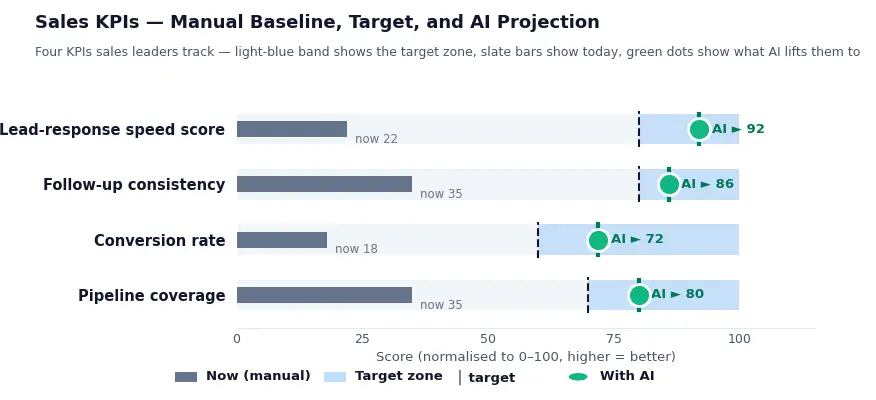
هذا هو السبب في أن الشركات تبحث عن أفضل برامج أتمتة المبيعات باستخدام الذكاء الاصطناعي عندما تسعى إلى تحقيق الاتساق وعدد أقل من الموظفين.
الاستراتيجية 7: دعم المبيعات والخدمة معًا
في التجارة الإلكترونية، تتشابك المبيعات والدعم بشكل وثيق. إذا كانوا يستفسرون عن الشحن أو المرتجعات أو معلومات المنتج، فهم قريبون من عملية الشراء. يمكن للذكاء الاصطناعي المساعدة في الجمع بين تلك التجارب، بحيث لا يتم تمرير العميل من قسم لآخر مطلقًا.
ما يحسنه هذا
- إجابات أسرع.
- روابط محسنة بين الفرق المختلفة.
- تجربة شراء أسهل.
- أصالة وموثوقية أكبر للعلامة التجارية.
هذا ذو قيمة خاصة عندما تكون فرق المبيعات في تواصل مستمر مع فرق الدعم. تضمن أتمتة المبيعات بالذكاء الاصطناعي بقاء الطرفين على نفس الصفحة وفي توافق تام.
إن صفحة من نحن لـ ExactFlow هي طريقة جيدة لفهم طريقة التفكير الكامنة وراء تدفقات عمل التجارة الإلكترونية المتصلة.
إذا كنت ترغب في الحصول على المزيد من الرؤى على مستوى الشركة حول كيفية مساعدة الأنظمة المؤتمتة في تحفيز النمو، يمكنك العثور على أفكار مفيدة حول المبيعات في العصر الحديث وكيفية الاستفادة من الذكاء الاصطناعي هنا في McKinsey.
كيف تبدأ دون تعقيد الأمور بشكل مفرط
لا يوجد مفتاح أكبر للبدء والانتشار من البساطة. ابدأ بعملية واحدة هي الأكثر استهلاكًا للوقت، ثم توسع بمجرد أن تصبح فعالة.
ابدأ هنا
- الاستجابة التلقائية للعملاء المحتملين الواردين.
- توجيه العملاء المحتملين إلى المندوب المناسب.
- إنشاء سير عمل للتذكير.
- إضافة تقييم العملاء المحتملين.
- اختبار تسلسل متابعة واحد.
لا تهدف إلى أتمتة كل شيء منذ البداية! الأمر يتطلب فقط إظهار أن النظام يوفر الوقت ويحافظ على الاتساق. وهذا ما يجعل أتمتة المبيعات بالذكاء الاصطناعي أكثر من مجرد أداة يهمل الناس استخدامها؛ بل إنها تصبح جزءًا من ثقافة المبيعات.
الخاتمة
يجب أن يشعر المرء بأن عمل المبيعات مركز وليس فوضويًا. إذا كنت تستخدم الأنظمة المناسبة، فستستجيب الفرق بشكل أسرع، وتتابع بشكل أفضل، وتغلق المزيد من الصفقات دون ترك العميل دون اهتمام. هذه هي القوة الحقيقية لأتمتة المبيعات بالذكاء الاصطناعي.
إنها تمكن الشركات من تبسيط تدفقات عملها المجزأة إلى عمليات تجارية محددة وقابلة للتكرار تدفع نمو الأعمال. كما توفر لفرق المبيعات نطاقًا أوسع من الفرص للقيام بما يجيده البشر بشكل أفضل: بناء الثقة، والاستماع، والإغلاق بثقة.
إن ExactFlow عبارة عن منصة مصممة لتمكين فرق التجارة الإلكترونية من إنشاء أنظمة مبيعات مدعومة بالذكاء الاصطناعي تبسط المهام اليدوية وتعزز تفاعل العملاء. اتصل بنا الآن.
النصيحة الرئيسية هي عدم الأتمتة طوال الوقت. الفكرة هي استبدال المهام المرهقة والمتكررة التي تبطئ فريقك بمهام مؤتمتة، والاحتفاظ باللحظات البشرية للمواقف التي تكون فيها ذات أهمية حقيقية. هذه هي الطريقة التي تظل بها فرق المبيعات الحديثة سريعة، ومنظمة، وعلى المسار الصحيح للتوسع.
إذا كنت بحاجة إلى مزيد من التفاصيل حول تأثير أنظمة الذكاء الاصطناعي على تدفقات العمل الأكثر تعقيدًا، فإن DigitalOcean توفر مقارنة تقنية مباشرة.
الأسئلة الشائعة
1. ما هي أتمتة المبيعات بالذكاء الاصطناعي؟
هي استخدام الذكاء الاصطناعي لأتمتة مهام المبيعات مثل الاستجابة للعملاء المحتملين، والمتابعة، وتقييم العملاء المحتملين، وتوجيه سير العمل.
2. ما هي أفضل حالات الاستخدام لأتمتة المبيعات المدعومة بالذكاء الاصطناعي؟
تشمل حالات الاستخدام الأكثر فائدة الاستجابة الفورية للعملاء المحتملين، والمتابعة المخصصة، وتقييم العملاء المحتملين، وإعداد التقارير، وتوجيه المهام.
3. كيف تساعد تدفقات عمل المبيعات المؤتمتة الفرق؟
إنها تقلل من العمل اليدوي، وتحسن الاتساق، وتضمن حدوث مهام المبيعات في الوقت المناسب دون تأخير.
4. ما الذي يجب أن أبحث عنه في أفضل برامج أتمتة المبيعات بالذكاء الاصطناعي؟
ابحث عن الإعداد السريع، وتدفقات العمل الواضحة، وتقييم العملاء المحتملين، والتكامل مع إدارة علاقات العملاء (CRM)، وإعداد التقارير السهلة لفريق المبيعات لديك.
5. هل يمكن لأتمتة المبيعات بالذكاء الاصطناعي أن تنجح مع علامات التجارة الإلكترونية؟
نعم. غالبًا ما تستخدمها فرق التجارة الإلكترونية لتحسين التعامل مع العملاء المحتملين، ومتابعة العملاء، وسرعة الاستجابة عبر قنوات المبيعات.
6. هل أحتاج إلى فريق تقني للبدء؟
ليس دائمًا. تم تصميم العديد من الأدوات الحديثة لتكون بسيطة بما يكفي لتتمكن الفرق غير التقنية من إعدادها وإدارتها.