
12 min di lettura
Gestione automatizzata degli ordini e-commerce: come gli agenti IA eliminano il lavoro manuale
Di ExactFlow Team
17 maggio 2026
Quando stai espandendo il tuo negozio online, il vero collo di bottiglia di solito non è il traffico, ma le operazioni. Inserire manualmente i dati degli ordini nei fogli di calcolo, fare telefonate per tracciare lo stock, inviare e-mail per coordinare le spedizioni dai magazzini e correggere gli errori di spedizione possono consumare silenziosamente tutta la tua giornata. È precisamente in quest'area che entra in gioco l'automazione basata sull'IA nella gestione degli ordini e-commerce.
Invece di lasciare che il tuo team continui ad agire come router umani per ogni ordine, gli agenti di IA possono occuparsi delle attività monotone in background, permettendoti di concentrarti sui prodotti, sui clienti e sull'espansione.
Perché la gestione degli ordini diventa un problema a mano a mano che scali
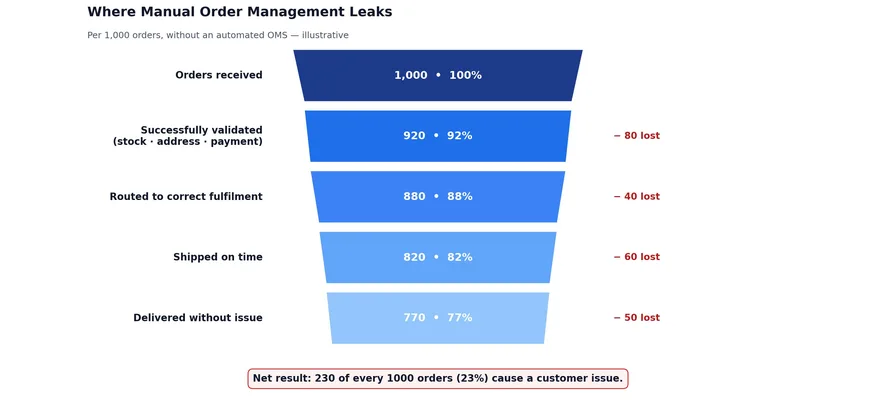
Non è difficile gestire manualmente pochi ordini quando sei una piccola impresa. Ma quando vendi su più canali (il tuo negozio, i marketplace online e il social commerce), i processi manuali diventano problematici molto rapidamente.
Inizi a notare:
- Ordini che si perdono o vengono saltati tra i vari sistemi.
- Vendita in eccesso di stock (overselling) o inventario fermo in magazzino.
- Etichette di spedizione ritardate e clienti insoddisfatti.
- Ore settimanali sprecate in aggiornamenti manuali dello stato.
Un moderno sistema di gestione degli ordini e-commerce è progettato precisamente per risolvere questi problemi, collegando dati, strumenti e team in un unico posto.
Per ottenere una prospettiva più ampia sulla complessità degli ordini multicanale, puoi considerare come Shopify descrive la gestione degli ordini attraverso i canali di vendita all'interno del proprio ecosistema.
Cos'è la gestione degli ordini e-commerce guidata dall'IA?
Considera la gestione degli ordini e-commerce guidata dall'IA come un controllore del traffico intelligente per tutti gli ordini in entrata. Invece di limitarsi a "registrare" gli ordini, il sistema:
- Invia automaticamente ogni ordine al magazzino o al partner di logistica (fulfillment) corretto.
- Verifica l'inventario e avverte di potenziali problemi prima che si verifichino.
- Crea e aggiorna le informazioni di spedizione in modo autonomo.
- Sincronizza gli aggiornamenti di stato per i clienti e i canali in tempo realer.
Gli agenti di IA monitorano le tendenze (come errori frequenti negli indirizzi o problemi ricorrenti di inventario) e ti aiutano a prevenire i problemi invece di risolverli una volta che qualcosa è già andato storto.
Tabella 1 · Il ciclo di vita dell'ordine: approccio manuale a confronto con l'approccio con agenti di IA
| Fase | Approccio manuale | Approccio con agenti di IA | Metrica chiave da monitorare |
|---|---|---|---|
| 1 · RICEZIONE | Copiare manualmente gli ordini dalla dashboard di ciascun canale a un foglio di calcolo master | Importazione automatica da qualsiasi canale tramite API non appena viene effettuato l'ordine | Tempo trascorso da quando l'ordine viene effettuato alla sua registrazione nel sistema |
| 2 · VALIDAZIONE | Verificare lo stock, l'indirizzo e il pagamento manualmente, ordine per ordine | Valida lo stock, l'indirizzo e il pagamento in millisecondi; segnala i problemi per la revisione umana | % di errori di validazione rilevati in tempo |
| 3 · ROUTING | Decidere manualmente quale magazzino o fornitore 3PL evaderà ciascun ordine | Instrada per area geografica, stock disponibile e livello di servizio tramite regole configurabili | Ordini instradati a una sede errata |
| 4 · EVASIONE | Generare etichette a mano, stampare e consegnare ai corrieri uno alla volta | Genera automaticamente le etichette e seleziona il corriere ottimale in base al costo e allo storico SLA | Tempo dall'ordine alla generazione dell'etichetta di spedizione pronta |
| 5 · TRACCIAMENTO | Inviare e-mail di stato basate su modelli secondo una pianificazione o su richiesta | Invia aggiornamenti in tempo reale al cliente, al canale e agli strumenti di supporto in modo automatico | Ticket di tipo "Dov'è il mio ordine?" ogni 100 ordini |
| 6 · ECCEZIONI | Reagire a posteriori quando un cliente si lamenta o arriva un reso | Contrassegna ordini rischiosi, bloccati o anomalie prima che falliscano e mostra i pattern nel tempo | Problemi rilevati in modo proattivo rispetto a reattivo |
Benefici chiave di un sistema automatizzato di gestione degli ordini
1. Meno lavoro manuale, meno errori
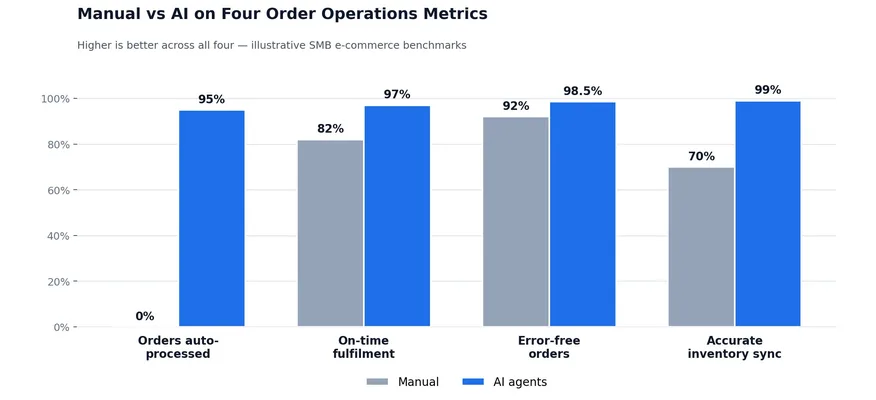
L'inserimento manuale dei dati richiede molto tempo ed è soggetto a errori. Un sistema di gestione degli ordini e-commerce alimentato dall'IA ha il potenziale di estrarre i dati da tutti i tuoi canali di vendita, normalizzarli e inviarli automaticamente alle applicazioni di spedizione, inventario e contabilità.
Questo significa meno digitazione, meno errori nell'acquisizione degli ordini e più tempo risparmiato per il tuo team.
2. Accuratezza dell'inventario in tempo reale
La vendita in eccesso di prodotti genera mal di testa nell'assistenza clienti e rimborsi non necessari. Poiché il tuo software di gestione degli ordini e-commerce è strettamente connesso con l'inventario, il livello di stock viene aggiornato nel momento in che un ordine viene effettuato, annullato o restituito.
L'IA può anche raccomandare punti di riordino e identificare prodotti ad alta rotazione in modo da non rimanere senza stock durante le stagioni di punta.
3. Evasione più rapida e prevedibile
Gli ordini vengono elaborati in modo rapido e uniforme grazie all'uso di agenti di IA che effettuano il routing e la generazione delle etichette. I clienti vedono stime di spedizione e tracciamenti precisi fin dall'inizio, il che riduce i ticket di tipo "Dov'è il mio ordine?" e genera fiducia.
Cosa cercare in una soluzione di gestione degli ordini e-commerce
Non tutti i sistemi di ordini sono uguali. Nel selezionare una soluzione di gestione degli ordini e-commerce, considera:
- Supporto multicanale: Deve essere in grado di raccogliere ordini dal tuo sito web, dai marketplace online e dai social media in modo unificato.
- Sincronizzazione dell'inventario: Aggiornamenti in tempo reale tra magazzini, fornitori 3PL e l'interfaccia del tuo negozio.
- Regole di automazione: Assegnazione automatica degli ordini in base alla regione geografica, allo stock disponibile da utilizzare o al livello di servizio.
- Insight con IA: Avvisi su anomalie, ritardi o pattern che richiedono attenzione immediata.
Se desideri un unico punto per pianificare tutto, il tuo hub di gestione degli ordini deve trovarsi al centro della tua infrastruttura software e deve avere un accesso semplice ad altri strumenti, come Stripe, per ricevere i pagamenti.
Come funzionano gli agenti di IA dietro le quinte
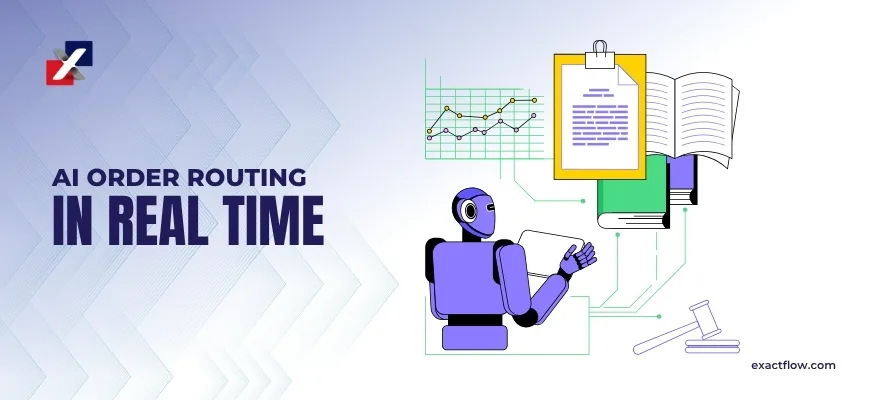
Gli agenti di IA non sono semplici macro sofisticate. Si istruiscono e si allenano costantemente sulla base dei tuoi dati e comportamenti operativi.
Essi possono:
- Segnalare ordini che sembrano rischiosi (alto valore, pattern sospetti, problemi ricorrenti di indirizzo, ecc.).
- Raccomandare l'ottimizzazione della spedizione o il confezionamento di prodotti in base alle performance storiche.
- Identificare problemi ricorrenti con un corriere, magazzino o regione in particolare.
- Suggerire modifiche ai processi quando le eccezioni operative diventano troppo comuni.
Questo rende il tuo software di gestione degli ordini e-commerce più intelligente nel tempo invece di rimanere statico.
Il miglior sistema di gestione degli ordini e-commerce per il 2026
Quando le persone menzionano il miglior sistema di gestione degli ordini e-commerce per il 2026, probabilmente si riferiscono a quello che fa il suo lavoro così bene che quasi non ti accorgi della sua presenza.
"Il migliore" nella pratica si traduce in:
- Gli ordini di tutti i canali vengono raggruppati in un'unica dashboard centralizzata.
- Avvisi chiari solo quando qualcosa richiede realmente l'intervento umano.
- Configurazione semplice delle regole (senza bisogno di codice complesso).
- Prestazioni affidabili durante i grandi eventi di vendita e i picchi stagionali.
Non si tratta di un elenco vistoso di funzioni, ma del fatto che il sistema garantisca l'eliminazione del lavoro manuale e aiuti a mantenere la promessa fatta ai clienti. Visita la nostra sezione Chi siamo.
Come iniziare con la gestione automatizzata degli ordini
Non hai bisogno di un team enorme per beneficiare dell'automazione. Puoi implementare la gestione degli ordini e-commerce guidata dall'IA passo dopo passo.
Passo 1: Mappa il tuo processo attuale
Scrivi come fluisce un ordine oggi, dall'acquisto alla consegna. Prendi nota di dove:
- Il personale copia manualmente i dati tra i vari sistemi.
- Si verificano errori con maggiore frequenza.
- Gli ordini subiscono ritardi o si bloccano.
Questi punti sono gli obiettivi primari per l'automazione.
Passo 2: Connetti i tuoi strumenti principali
Assicurati che il tuo sistema di ordini comunichi direttamente con:
- La tua piattaforma di e-commerce.
- Il tuo sistema di inventario/magazzino o fornitore 3PL.
- I tuoi strumenti di spedizione e corrieri.
- Il tuo software di contabilità o finanza.
Una volta che tutto questo è collegato, l'IA può spostare i dati al posto del tuo team.
Passo 3: Aggiungi regole di automazione e insight di IA
Inizia con poche regole semplici:
- Instradare gli ordini in base alla posizione geografica.
- Contrassegnare automaticamente gli ordini di alto valore.
- Attivare avvisi per stock basso o guasti ripetuti.
Quindi, lascia che l'IA evidenzi pattern che potresti non aver visto, come corrieri che frequentemente non rispettano gli SLA o prodotti che spesso causano spedizioni frazionate (split shipments). Per vedere come l'IA sta trasformando ogni fase delle operazioni di vendita al dettaglio online, esplora questa guida completa all'automazione dell'e-commerce basata sull'IA e alla gestione scalabile dei flussi di lavoro nel 2026.
Conclusione
Man mano che i volumi degli ordini crescono, la tua capacità di scalare non riguarda solo fare più marketing, ma ottenere operazioni più fluide. La gestione automatizzata degli ordini e-commerce, alimentata da agenti di IA, trasforma l'evasione da un problema quotidiano a un processo prevedibile che, per la maggior parte, si gestisce da solo.
Investendo in una gestione intelligente degli ordini e-commerce, riduci il lavoro manuale, diminuisci gli errori e offri ai clienti un'esperienza più rapida e affidabile, sia che tu gestisca dozzine di ordini al giorno o migliaia attraverso molteplici canali.
ExactFlow aiuta i team di e-commerce ad automatizzare i flussi di ordini, connettere i sistemi chiave e utilizzare agenti di IA per mantenere le operazioni attive senza problemi in background. Contattaci oggi stesso.
Quando le operazioni funzionano sui binari giusti, tu e il tuo team potete concentrarvi sulla strategia, sul brand e sulle relazioni con i clienti invece di inseguire fogli di calcolo e numeri di tracciamento.
Domande frequenti
1. Cos'è un sistema di gestione degli ordini per l'e-commerce?
Un sistema di gestione degli ordini utilizzato dai brand di e-commerce è un software che centralizza gli ordini provenienti da tutti i canali, sincronizza l'inventario, instarda gli ordini per l'evasione, effettua il tracciamento dello stato e aggiorna i clienti, idealmente con il minimo sforzo manuale.
2. In cosa differisce il software di gestione degli ordini e-commerce da una normale piattaforma di e-commerce?
La tua piattaforma di e-commerce si occupa del negozio e del processo di pagamento (checkout). Il software di gestione degli ordini e-commerce si concentra su tutto ciò che accade dopo l'invio dell'ordine: routing, sincronizzazione dello stock, spedizione e reportistica su più canali e magazzini.
3. Cosa devo aspettarmi da una soluzione di gestione degli ordini e-commerce con IA?
Una soluzione di gestione degli ordini e-commerce con IA dovrebbe importare e standardizzare automaticamente gli ordini, rilevare i problemi in anticipo, instradare le attività in modo intelligente e offrire insight preziosi su colli di bottiglia, problemi di stock e prestazioni dei corrieri.
4. Come scelgo il miglior sistema di gestione degli ordini e-commerce per la mia attività nel 2026?
Per scegliere il miglior sistema di gestione degli ordini e-commerce per te nel 2026, analizza i tuoi canali attuali, la tua infrastruttura tecnologica (tech stack) e il tuo volume di vendite. Dai la priorità ai sistemi che si integrano facilmente, supportano il tuo modello di evasione, offrono una solida automazione e possono crescere insieme al tuo negozio nei prossimi anni.