
13 min czytania
Jak zwiększyć sprzedaż w e-commerce za pomocą AI: kompletny poradnik automatyzacji (2026)
Autor: ExactFlow Team
2 czerwca 2026
Jeśli prowadzisz sklep internetowy w 2026 roku, prawdopodobnie zastanawiałeś się, jak zwiększyć sprzedaż w e-commerce więcej razy, niż jesteś w stanie zliczyć. Koszty pozyskania ruchu rosną, konkurencja jest zacięta, a oczekiwania klientów są wyższe niż kiedykolwiek. Marki, które nadal się rozwijają, to te, które wykorzystują sztuczną inteligencję w tle do automatyzacji żmudnej pracy – dzięki czemu każdy klient otrzymuje inteligentniejsze, szybsze i bardziej spersonalizowane wrażenia zakupowe.
Oto przewodnik krok po kroku, jak wykorzystać AI do optymalizacji lejka sprzedaży, przyciągania użytkowników i przekształcania ich w lojalnych, powracających klientów.
Dlaczego w Twojej strategii wzrostu wciąż brakuje AI
Większość marek opiera się na kampaniach, a nie na systemach. Uruchamiają nowe reklamy, rabaty i tworzą treści, podczas gdy wszystko za kulisami jest obsługiwane ręcznie. AI przekształca Twój sklep w uczącą się maszynę, która stale się rozwija.
Zamiast zgadywać, jak zwiększyć sprzedaż w sklepie internetowym, AI dostarcza precyzyjne wzorce i prognozy: które produkty sprzedają się najlepiej, które segmenty reagują na konkretne oferty i w których miejscach lejka tracisz potencjalnych kupujących.
.webp)
Aby zyskać szerszą perspektywę na zmieniającą się rolę sztucznej inteligencji w handlu online, warto zapoznać się z analizami McKinsey dotyczącymi wpływu AI na globalny rynek.
Krok 1: Wykorzystaj AI, aby zrozumieć, co naprawdę się dzieje
Zanim wprowadzisz jakiekolwiek zmiany strategiczne, musisz mieć jasny obraz swojej obecnej wydajności.
Analityka i wnioski wspierane przez AI
Narzędzia AI mogą filtrować tysiące sesji, zamówień i zdarzeń, aby wskazać Ci:
- Które strony i produkty generują najwyższe współczynniki konwersji?
- Które źródła ruchu przynoszą użytkowników o wysokiej intencji zakupowej (a nie tylko puste kliknięcia)?
- W których miejscach procesu zakupowego użytkownicy najczęściej porzucają koszyk?
Taka jasność jest na wagę złota, jeśli poważnie myślisz o zwiększeniu sprzedaży w e-commerce. Pokazuje dokładnie, co należy naprawić w pierwszej kolejności, zamiast wprowadzać przypadkowe zmiany z nadzieją, że przyniosą rezultat.
Krok 2: Zoptymalizuj wrażenia użytkownika na stronie za pomocą AI
Nawet najlepszy ruch nie pomoże, jeśli Twoja strona jest mało przejrzysta, skomplikowana lub wolna.
Inteligentniejsze wyszukiwanie i nawigacja
Wyszukiwarka oparta na AI rozumie literówki, język naturalny oraz rzeczywistą intencję użytkownika. Pomaga odwiedzającym znaleźć to, co naprawdę mieli na myśli, a nie tylko to, co wpisali. To samo w sobie znacząco przyczynia się do wzrostu sprzedaży, ponieważ wielu użytkowników rezygnuje z zakupów, gdy tradycyjne wyszukiwanie zawodzi.
Spersonalizowane rekomendacje
Sztuczna inteligencja może dynamicznie wyświetlać:
- Ostatnio przeglądane produkty oraz sugestie typu „Może Ci się spodobać”.
- Zestawy (bundles) i dodatki idealnie dopasowane do zawartości aktualnego koszyka.
- Dynamicznie generowane strony główne, które dostosowują się do każdego odwiedzającego.
Te drobne detale sprawiają, że zakupy wydają się spersonalizowane i unikalne, a nie generyczne. To bezpośredni sposób na zwiększenie sprzedaży w e-commerce bez konieczności wydawania większych kwot na reklamę.
Aby zobaczyć, jak ten model sprawdza się na dużych platformach, warto sprawdzić, jak personalizację sklepu za pomocą AI opisuje Shopify.
Krok 3: Przekształć obsługę klienta w motor konwersji dzięki AI
Nowoczesny support nie służy już tylko do rozwiązywania bieżących problemów. Odpowiednio wykorzystany, staje się niezwykle silnym kanałem sprzedaży.
Chatboty AI jako Twój całodobowy zespół ds. przedsprzedaży
Nowoczesne chatboty AI potrafią:
- Błyskawicznie odpowiadać na najczęstsze pytania dotyczące wysyłki, rozmiarów czy zwrotów.
- Pomagać klientom w porównywaniu produktów lub wyborze odpowiedniego wariantu.
- Ratować sesje zagrożone porzuceniem, oferując pomoc dokładnie wtedy, gdy ktoś waha się przy kasie.
Taki system bezpośrednio przyczynia się do wzrostu sprzedaży e-commerce, ponieważ rozwiewa wątpliwości klienta na miejscu – zamiast próbować go ratować, gdy już opuści stronę.
Inteligentne przekazywanie rozmów konsultantom
Gdy pytania stają się zbyt złożone, AI płynnie przekazuje rozmowę do prawdziwego konsultanta, dostarczając mu pełny kontekst dotychczasowej konwersacji. Kluczem do sukcesu w skutecznym zwiększaniu sprzedaży jest szybsza i inteligentniejsza obsługa, ponieważ klienci chętniej kupują, gdy czują się zrozumiani i odpowiednio zaopiekowani.
Krok 4: Automatyzuj marketing z wykorzystaniem AI
Komunikaty na stronie, wiadomości e-mail oraz SMS wciąż stanowią ogromną część przychodów – pod warunkiem, że są trafne i spersonalizowane.
Scenariusze automatyzacji oparte na zachowaniu
AI może uruchamiać kampanie marketingowe na podstawie dokładnych działań podejmowanych przez klientów:
- Użytkownik przegląda produkty, ale nie dodaje nic do koszyka.
- Użytkownik dodaje produkty do koszyka, ale nie finalizuje zakupu.
- Klient dokonuje jednego zakupu, po czym staje się całkowicie nieaktywny.
Każdy z tych scenariuszy wymaga innej ścieżki: przypomnienia, dowodu społecznego (social proof), edukacji produktowej lub ograniczonej czasowo oferty. To doskonałe rozwiązanie problemu, jak zwiększyć sprzedaż, ponieważ pozwala odzyskać przychody, które najpewniej zostałyby utracone.
Inteligentniejsza segmentacja i dopasowana treść
Zamiast wysyłać masowe wiadomości do wszystkich, AI tworzy mikro-segmenty i rekomenduje dokładnie taki produkt lub komunikat, który pasuje do danej grupy. Rośnie trafność, spada liczba rezygnacji z subskrypcji, a rozwój sprzedaży przestaje polegać na wysyłaniu coraz większej liczby wiadomości.
Warto również zobaczyć, jak proces segmentacji i automatyzacji wspierany przez sztuczną inteligencję opisuje HubSpot, aby zyskać szerszą perspektywę marketingową.
Krok 5: Optymalizuj ceny, zestawy i promocje za pomocą AI
Twoje oferty są tylko tak silne, jak konwersja ruchu, który przyciągają.
Dynamiczne ustalanie cen i testowanie rabatów
Sztuczna inteligencja potrafi:
- Testować różne poziomy cenowe i monitorować ich wpływ na rzeczywisty zysk netto, a no nie tylko na ogólny przychód.
- Określić, czy rabaty faktycznie przyciągają nowych klientów, czy jedynie obniżają marżę na osobach, które i tak dokonałyby zakupu.
Jeśli szukasz sposobów na stabilne zwiększenie sprzedaży w e-commerce, takie podejście pomoże Ci uniknąć nadmiernego rozdawania zniżek niszczących marżę, pozwalając jednocześnie zachować konkurencyjność.
Inteligentne zestawy produktów i cross-selling
Na podstawie historii zamówień AI może rekomendować:
- Pakiety produktów, które są często kupowane razem.
- Sugestie doskonale pasujące do artykułów znajdujących się obecnie w koszyku.
- Oferty up-sellingowe (upsells) wyświetlane bezpośrednio po sfinalizowaniu zakupu głównego.
To prosty i skuteczny sposób na zwiększenie obrotów poprzez podnoszenie średniej wartości zamówienia (AOV).
Krok 6: Zadbaj o doświadczenia pozakupowe z AI
Pozyskiwanie nowych klientów to nie jedyne źródło wzrostu. Prawdziwy rozwój opiera się w dużej mierze na zatrzymaniu tych, których już masz.
Proaktywna komunikacja po zakupie
AI może śledzić status dostawy i automatycznie wysyłać:
- Bieżące aktualizacje o statusie paczki oraz proaktywne powiadomienia o opóźnieniach.
- Wiadomości uzupełniające w niestandardowych sytuacjach (np. gdy wielokrotnie nie udało się doręczyć przesyłki).
Płynna obsługa posprzedażowa buduje zaufanie, minimalizuje liczbę zgłoszeń do działu pomocy i po cichu napędza długoterminowy wzrost sprzedaży w sklepie internetowym.
Przewidywanie odejść i kampanie reaktywacyjne
Dzięki analizie wskaźnika odejść (churn), AI potrafi przewidzieć, którzy klienci mogą stać się nieaktywni. Uruchamia wtedy ukierunkowane kampanie win-back, zanim konsument zapomni o Twojej marce. To jedno z najskuteczniejszych narzędzi do sprzedaży większej liczby produktów bez wydawania dodatkowych pieniędzy na reklamy.
Aby dowiedzieć się więcej o retencji opartej na AI, warto zapoznać się z analizami predykcyjnymi dla e-commerce oferowanymi przez platformę Klaviyo.
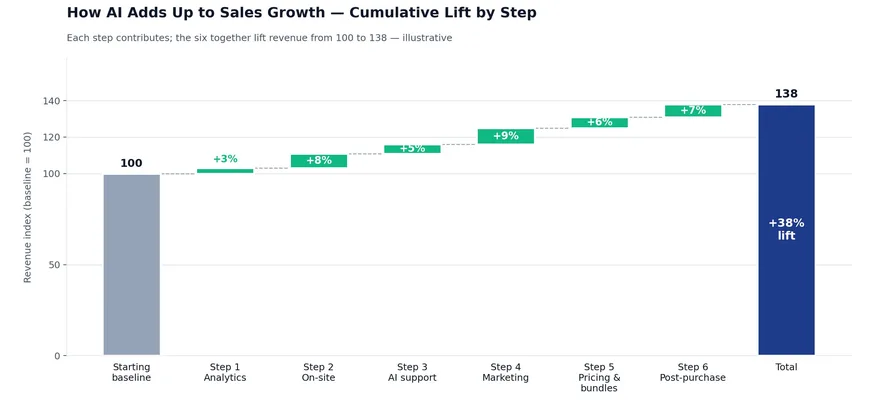
Tabela 1 · 6-stopniowy zestaw narzędzi AI w sprzedaży — Praktyczny przewodnik
| Krok | Obszar działań | Specyficzna taktyka AI | Główny wskaźnik (KPI) | Typowy wzrost |
|---|---|---|---|---|
| 1 | Analityka i wnioski | Analiza lejka oparta na AI w celu zidentyfikowania najbardziej krytycznych punktów rezygnacji | Przychód na użytkownika według kanału marketingowego | +2–5% (Fundament) |
| 2 | Wrażenia na stronie | Wyszukiwanie w języku naturalnym, spersonalizowane rekomendacje, dynamiczne strony główne | Współczynnik konwersji i wskaźnik dodań do koszyka | +6–10% |
| 3 | Support AI & Chat | Całodobowy chatbot przedsprzedażowy z inteligentnym przekazywaniem i ratowaniem sesji | Współczynnik konwersji wspomagany czatem | +3–7% |
| 4 | Automatyzacja marketingu | Behawioralne scenariusze e-mail/SMS + mikro-segmentacja AI | Przychód odzyskany dzięki automatyzacji | +7–12% |
| 5 | Ceny i zestawy | Dynamiczne testy cen, pakiety rekomendowane przez AI, upselling po zakupie | Średnia wartość zamówienia (AOV) | +5–8% AOV |
| 6 | Po zakupie | Proaktywna komunikacja o dostawie + predykcyjne wykrywanie churnu i aktywatory powrotu | Wskaźnik powtórnych zakupów i wartość życiowa klienta (LTV) | +5–10% LTV |
Podsumowanie
Prawdziwa odpowiedź na pytanie, jak zwiększyć sprzedaż w sklepie internetowym w 2026 roku, nie brzmi: uruchamiaj więcej reklam, ale: buduj inteligentniejsze systemy. AI pomaga precyzyjnie analizować dane, oferować klientom spersonalizowaną ścieżkę zakupową, automatyzować marketing i dbać o nich po zakupie – bez generowania dodatkowej, ręcznej pracy dla Twojego zespołu.
Kiedy spojrzysz na rozwój e-commerce jak na zadanie automatyzacji całego lejka, a nie tylko problem braku ruchu, otworzą się drzwi do dziesiątek małych, skumulowanych sukcesów: trafniejszych wyników wyszukiwania, lepszych rekomendacji, celniejszych komunikatów i mniejszej liczby utraconych klientów.
ExactFlow łączy Twoje narzędzia i automatyzuje kluczowe procesy w e-commerce dzięki agentom AI, pomagając osiągać większą sprzedaż przy mniejszym nakładzie pracy ręcznej i przewidywalnych wynikach. Skontaktuj się z nami już teraz.
Zacznij od małych kroków, eliminując jedno wąskie gardło po drugim, i wdrażaj AI tam, gdzie pojawiają się największe opory ze strony użytkowników. Z czasem zwiększanie sprzedaży w e-commerce przestanie być otwartym pytaniem, a stanie się stałym elementem codziennego funkcjonowania Twojego sklepu.
FAQ (Najczęściej zadawane pytania)
1. Jaki jest pierwszy krok do zwiększenia sprzedaży w e-commerce przy użyciu AI?
Pierwszym krokiem do zwiększenia sprzedaży w e-commerce za pomocą AI jest uzyskanie pełnej jasności co do swojego lejka. Wykorzystaj analitykę opartą na sztucznej inteligencji, aby zwizualizować, gdzie klienci rezygnują z zakupów, które produkty realnie konwertują i które kanały przyciągają użytkowników o silnej intencji zakupowej. Następnie napraw najpierw największe błędy.
2. Jak zwiększyć sprzedaż w e-commerce bez zwiększania budżetu na reklamy?
Jeśli chcesz podnieść sprzedaż w sklepie internetowym bez dodatkowego budżetu reklamowego, skup się na optymalizacji konwersji i retencji: udoskonal wyszukiwarkę i rekomendacje produktów, wdroż czat AI dla natychmiastowych odpowiedzi, zoptymalizuj proces kasy oraz spersonalizuj komunikację, aby odzyskiwać porzucone koszyki i reaktywować dotychczasowych klientów.
3. Czy sztuczna inteligencja jest przydatna tylko dla dużych marek e-commerce?
Nie. AI można z powodzeniem wdrożyć do obsługi czatu, rekomendacji, podstawowej segmentacji czy prostych scenariuszy automatyzacji nawet w mniejszych sklepach. Kluczem jest wykorzystanie jej do rozwiązywania konkretnych problemów, a nie wszystkiego naraz, tak aby każda zmiana przynosiła mierzalny wzrost sprzedaży.
4. Skąd mam wiedzieć, czy wdrożenie AI rzeczywiście zwiększa sprzedaż w moim sklepie?
Mierz kluczowe wskaźniki przed i po wprowadzeniu zmian: współczynnik konwersji, średnią wartość zamówienia (AOV), wskaźnik ponownych zakupów oraz przychód na odwiedzającego. Gdy optymalizacje oparte na AI zaczną działać, liczby te będą stale rosły, dając Ci strategię opartą na twardych danych, a nie na przypuszczeniach.