

10 min de lectura
¿Qué es el ROI? Retorno de la inversión — significado y fórmulas
Por ExactFlow Team
11 de mayo de 2026
Como propietario de un negocio, es probable que le hayan hecho preguntas como "¿Cuál es el ROI de esto?" antes de aprobar un presupuesto. Saber qué es el ROI le permitirá tener una respuesta clara y precisa a esa pregunta en lugar de una estimación. El ROI transformará el trabajo, el tiempo y el dinero que invierte en una simple cifra que puede comparar entre campañas, herramientas o proyectos.
Esta guía se dividirá en qué significa ROI, cómo se puede calcular y cómo se puede aplicar al ROI del comercio electrónico, además de ofrecer sugerencias específicas para aumentar el ROI del comercio electrónico tanto en contextos B2C como B2B.
¿Qué significa ROI?
Podemos empezar por lo más simple: el retorno de la inversión (ROI) es el porcentaje que muestra cuánta ganancia (o pérdida) obtiene en relación con la cantidad que gastó. Cuando se pregunta "¿Qué es el ROI?", en realidad se está preguntando: "¿Cuántos dólares obtuvimos por cada dólar que invertimos?"
En otras palabras, un ROI positivo indica que ganó dinero con la inversión; un ROI negativo indica que la inversión perdió dinero. Por lo tanto, es importante entender qué significa ROI al decidir si repetir una campaña, escalarla o incluso detenerla.
Fórmula básica de cálculo del ROI
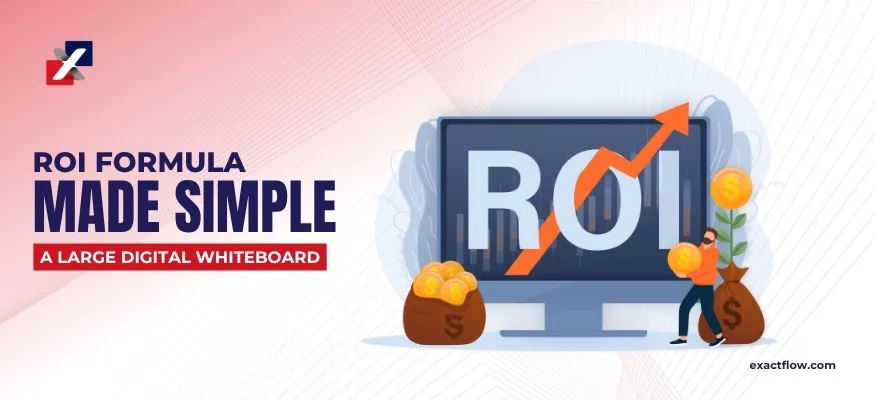
Para comprender completamente qué es el ROI, debe conocer la fórmula básica. El cálculo tradicional del ROI se puede expresar de la siguiente manera (en palabras, no en símbolos):
ROI = (Ganancia de la inversión – Coste de la inversión) ÷ Coste de la inversión, luego multiplicado por 100 para obtener un porcentaje.
Ejemplo sencillo
Gasta 1.000 en anuncios.
Esos anuncios generaron directamente 3.000 en ingresos registrados.
Ganancia de la inversión = 3.000 – 1.000 = 2.000.
ROI = 2.000 ÷ 1.000 = 2 → 200% ROI.
En términos simples, un ROI del 200% equivale a 2 unidades de beneficio por cada 1 unidad invertida.
¿Qué es el ROI en marketing y comercio electrónico?
El ROI en marketing generalmente significa el beneficio que se obtiene de una campaña o canal específico en comparación con lo invertido en esos canales. El cálculo del ROI puede aplicarse a email marketing, publicidad pagada, SEO o nuevas herramientas del sistema.
En el caso del comercio electrónico, el ROI se centra en los ingresos que genera su sitio o aplicación en comparación con todas las inversiones realizadas para atraer tráfico: anuncios, herramientas, personal y contenido. Una vez que entiende qué es el ROI en este contexto, deja de perseguir métricas superficiales y comienza a enfocarse en la rentabilidad. Consulte nuestra sección sobre nosotros para más detalles.
Cómo usar el cálculo del ROI paso a paso
Para que el cálculo del ROI sea útil, se necesita lo siguiente:
- Un período de tiempo definido (por ejemplo, el último mes o trimestre).
- Una inversión específica (una campaña, canal o herramienta).
- Método de seguimiento de los ingresos generados por esa inversión.
Pasos prácticos
- Defina lo que está midiendo: ROI de nuestros anuncios de Meta en Q1.
- Obtenga el coste total de esa actividad: gasto en anuncios, creatividad y herramientas.
- Obtenga los ingresos directamente relacionados con esa actividad.
- Aplique la fórmula para calcular el ROI en porcentaje.
- Use un agente financiero automatizado como Raya para organizar datos y mejorar la precisión.
Cuando entiende el ROI de diferentes actividades, puede compararlas e invertir más en las más efectivas.
ROI y aumento del ROI en comercio electrónico

El primer paso es entender qué es el ROI. La verdadera clave está en aumentar el ROI del comercio electrónico, generando más beneficio con la misma o menor inversión. Para más información sobre ROI, visite Shopify.
Palancas clave para aumentar el ROI del comercio electrónico
- Mejorar la tasa de conversión: optimizar la experiencia del sitio para aumentar compras.
- Aumentar el valor medio del pedido: usar bundles, upselling y cross-selling.
- Incrementar compras repetidas: newsletters, programas de fidelización y suscripciones.
- Reducir costes de adquisición: optimizar canales de pago.
Cada vez que optimiza estas áreas, su ROI en comercio electrónico aumenta incluso sin aumentar el tráfico o el presupuesto.
ROI en comercio electrónico B2B: ¿qué lo hace diferente?
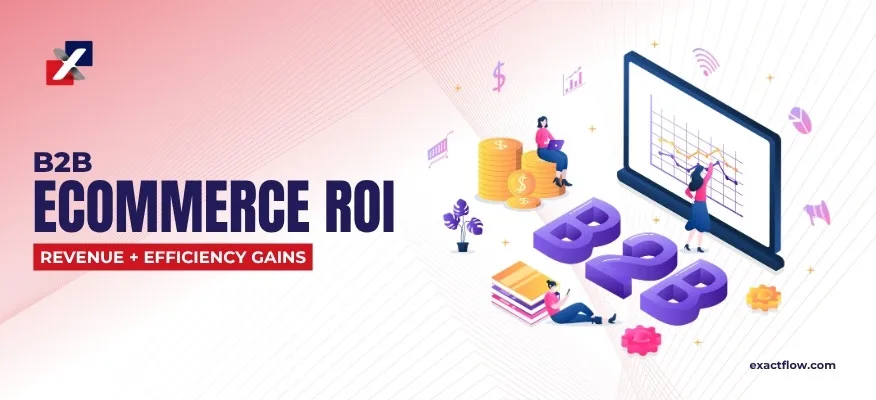
En el caso del ROI en comercio electrónico B2B, se aplica la misma idea, pero los ciclos de venta son más largos. Para más detalles, visite Virto Commerce.
En B2B, el ROI suele incluir:
- No solo ventas inmediatas, sino calidad de leads y valor del pipeline.
- Eficiencia operativa (menos cotizaciones manuales, pedidos más rápidos).
- Retención y valor del contrato a largo plazo.
El cálculo del ROI puede incluir ahorros de costes y generación de ingresos en plataformas y automatización.
Errores comunes del ROI
Es fácil equivocarse incluso entendiendo el ROI.
Tres errores frecuentes
- Ignorar el tiempo: 50% en un mes no es lo mismo que en dos años.
- Usar ingresos en lugar de beneficio neto: siempre deben descontarse costes.
- Demasiadas variables: no se puede medir correctamente si se cambian muchas cosas a la vez.
Cuanto más claro sea lo que mide, más útil será el cálculo del ROI.
Cómo mejorar el ROI con mejores datos
Para mejorar el ROI del comercio electrónico, se necesitan datos limpios y conectados.
- Seguimiento adecuado de campañas (UTMs, píxeles y analítica).
- Dashboards con ingresos por canal, no solo clics.
- Unificación de gasto e ingresos para medir ROI real.
Con esta visibilidad, puede mejorar el ROI basado en datos reales y no en intuición. Contáctenos hoy.
Conclusión
Entender qué es el ROI significa transformar la idea de "creo que esto funciona" en "sé que esto es rentable". Una vez que entiende qué significa ROI, puede comparar inversiones usando un porcentaje simple.
Cuando calcula ROI de forma constante, deja de perseguir ruido y construye una estrategia sostenible, especialmente en comercio electrónico y B2B.
ExactFlow ayuda a empresas a mejorar la visibilidad del ROI en todo el recorrido del cliente.
En última instancia, el verdadero valor del ROI es la confianza: invertir más en lo que funciona y menos en lo que no.
Frequently Asked Questions
¿Qué significa ROI en términos simples?
¿Qué significa ROI en términos simples?
Es la ganancia obtenida en comparación con lo invertido, expresado en porcentaje.
¿Cómo explico el ROI a mi equipo?
¿Cómo explico el ROI a mi equipo?
Es una forma de medir cuánto beneficio genera cada inversión.
¿Cómo es diferente el ROI en comercio electrónico?
¿Cómo es diferente el ROI en comercio electrónico?
Se enfoca en ingresos por canal, conversión y retención.
¿Por qué es importante el ROI en B2B?
¿Por qué es importante el ROI en B2B?
Porque ayuda a justificar inversiones a largo plazo y grandes operaciones.