

10 min czytania
Automatyzacja procesów za pomocą AI dla rozwijających się sklepów Shopify
Autor: ExactFlow Team
12 czerwca 2026
Rozwój sklepu Shopify to ekscytujący proces – dopóki monotonna, rutynowa praca nie zacznie pochłaniać całego dnia. Zanim się obejrzysz, zamówienia, zapytania klientów, aktualizacje stanów magazynowych, raporty i zadania marketingowe zaczynają się piętrzyć. Właśnie dlatego automatyzacja procesów za pomocą AI staje się koniecznością dla nowoczesnych zespołów e-commerce.
Zamiast traktować każde działanie jako osobne, ręczne zadanie, inteligentne sklepy wykorzystują sztuczną inteligencję do łączenia procesów (workflows), co pozwala zminimalizować błędy i zapewnić płynne działanie operacji bez konieczności ciągłego nadzoru.
Co to jest automatyzacja procesów za pomocą AI?
Jest to wykorzystanie sztucznej inteligencji do wykonywania powtarzalnych, automatycznych zadań w firmie, a także do podejmowania inteligentnych decyzji w oparciu o dane, wzorce lub kontekst. W sklepie Shopify może to oznaczać automatyczne kierowanie zamówień, flagowanie niskiego poziomu zapasów, personalizowanie wiadomości e-mail czy odpowiadanie na pytania wsparcia bez żadnego dodatkowego nakładu pracy ręcznej.
Różnica między podstawową automatyzacją a automatyzacją procesów za pomocą AI tkwi w inteligencji. AI potrafi wnioskować, dostosowywać się do wyjątków i uczyć się, podczas gdy system oparty na sztywnych regułach jest w stanie jedynie podążać za instrukcjami i reagować na sytuacje, które zostały wcześniej zaprogramowane.
Dlaczego rozwijające się sklepy Shopify tego potrzebują
Gdy sklep jest mały, praca ręczna może wydawać się wykonalna. Jednak wraz ze wzrostem ruchu, liczby zamówień i zgłoszeń serwisowych, w systemie zaczynają pojawiać się pęknięcia. To właśnie w tym momencie automatyzacja procesów za pomocą AI zaczyna przynosić realną wartość.
Typowe problemy rozwijających się sklepów
- Przetwarzanie zamówień zwalnia wraz ze wzrostem ich liczby.
- Raporty magazynowe nie nadążają za rzeczywistą sprzedażą.
- Zespoły obsługi klienta przez cały dzień udzielają tych samych odpowiedzi.
- Kampanie marketingowe stają się trudniejsze do spersonalizowania.
- Przygotowywanie raportów zajmuje zbyt dużo czasu.
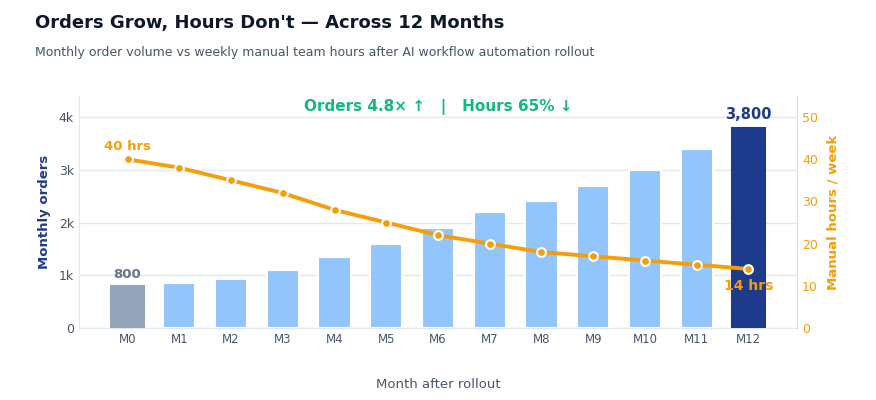
Problemy te to nie tylko wyzwania operacyjne. Wpływają one również bezpośrednio na doświadczenia klientów, wizerunek marki oraz na to, czy sklep jest w stanie skalować się w sposób płynny i uporządkowany.
Gdzie AI wpisuje się w Shopify?
Shopify daje sprzedawcom solidne fundamenty pod e-commerce, ale szybko rosnące marki zazwyczaj potrzebują dodatkowej, inteligentniejszej warstwy systemowej. W tym miejscu pojawia się proces automatyzacji z AI: łączy on Shopify z narzędziami do obsługi klienta, finansów, logistyki i marketingu, dzięki czemu sklep działa znacznie wydajniej.
Przykładowo, AI może monitorować określone zdarzenia w sklepie, wyciągać wnioski na temat ich znaczenia i inicjować odpowiedni kolejny krok. Zamówienie o wysokiej wartości zostanie przekazane do ręcznej weryfikacji, podczas gdy produkt, który zaraz się wyprzeda, wygeneruje alert o potrzebie uzupełnienia zapasów.
Aby zobaczyć szerszy obraz tego, jak automatyzacja Shopify działa w praktyce, warto wiedzieć, jak platforma wspiera połączone procesy. Więcej informacji znajdziesz bezpośrednio na stronie Shopify.
Co to jest automatyzacja procesów za pomocą agentów AI?
To pójście o krok dalej w stosunku do standardowej automatyzacji. Agent AI potrafi przeanalizować kontekst, podjąć decyzję i wykonać całą sekwencję działań, zamiast po prostu stosować jedną, sztywną regułę.
W przypadku sklepów Shopify oznacza to, że agent AI nie tylko wykryje niski stan magazynowy, ale może również przygotować wersję roboczą zamówienia do dostawcy, powiadomić odpowiedniego członka zespołu i zaktualizować panel administracyjny. Jest to niezwykle przydatne, gdy procesy wymagają elastyczności i oceny sytuacji, a nie tylko bezmyślnego powtarzania czynności.
Siła agentów AI tkwi w tym, że drastycznie zmniejszają oni liczbę mikrodecyzji, które Twój zespół musi podejmować każdego dnia. Dzięki temu pracownicy mogą skupić się na rozwoju, strategii i budowaniu relacji z klientami.
Jeśli chcesz zobaczyć praktyczny przykład takiego stylu automatyzacji, sprawdź Kai AI Operational Agent.
Oprogramowanie do automatyzacji procesów z AI: Na co zwrócić uwagę
Nie wszystkie narzędzia są sobie równe. Optymalne oprogramowanie do automatyzacji procesów za pomocą AI dla sklepu Shopify powinno robić znacznie więcej niż tylko wysyłać powiadomienia.
Kluczowe funkcje, które warto traktować priorytetowo
- Płynna, dobrze dopasowana i stabilna integracja z Shopify.
- Podejmowanie decyzji wspomagane przez AI w nietypowych przypadkach (edge cases).
- Wieloetapowe procesy realizowane pomiędzy różnymi aplikacjami i zespołami.
- Przejrzystość i czytelność generowanych raportów.
- Prosta konfiguracja bez konieczności angażowania programistów czy zaawansowanej wiedzy inżynieryjnej.
Celem nie jest dodanie kolejnych narzędzi do Twojego stosu technologicznego. Chodzi o wyeliminowanie barier i upewnienie się, że sklep pozostaje łatwy w zarządzaniu w miarę swojego wzrostu. Wdrożenie dobrego oprogramowania powinno przynieść taki efekt, jak zatrudnienie cichego pracownika, który dopina wszystko na ostatni guzik w tle.
Aby zorientować się, jak automatyzacja wpisuje się w różne etapy rozwoju, cennik ExactFlow może pomóc Ci w zaplanowaniu kosztów i wdrożenia.
Możesz również zobaczyć, jak zazwyczaj mapuje się procesy połączonych aplikacji za pomocą narzędzia Zapier.
Inteligentne przypadki użycia dla sklepów Shopify
Zarządzanie zamówieniami
Oprogramowanie AI może być używane do automatycznego kierowania zamówień, oznaczania wyjątków oraz wysyłania powiadomień do klientów. Pozwala to zminimalizować opóźnienia i uwolnić zespół od żmudnej, ręcznej obsługi posprzedażowej.
Kontrola zapasów magazynowych
Alerty o niskim stanie zapasów i procesy ponownego zamawiania mogą być uruchamiane na podstawie trendów sprzedaży w czasie rzeczywistym, a nie na bazie statycznych arkuszy kalkulacyjnych. Pomaga to zapobiegać nadsprzedaży (oversellingowi) oraz brakom towaru.
Obsługa klienta
AI jest w stanie odpowiadać na standardowe zapytania, kategoryzować zgłoszenia i przekazywać skomplikowane sprawy ludzkim konsultantom. Dzięki temu obsługa klienta staje się szybsza, stabilniejsza i bardziej spójna.
Działania marketingowe
Sztuczna inteligencja może wspierać segmentację klientów, wysyłkę spersonalizowanych e-maili i identyfikację okazji do ponownych zakupów. Jest to jedno z najbardziej opłacalnych zastosowań automatyzacji procesów AI, ponieważ zwiększa przychody bez zwiększania nakładu pracy.
Raportowanie i prognozowanie
AI potrafi generować przydatne wskaźniki w czasie rzeczywistym, eliminując konieczność czekania na koniec tygodnia czy miesiąca lub ręcznego zestawiania danych z poprzednich okresów. Oznacza to trafniejsze decyzje i znacznie szybszy czas reakcji.
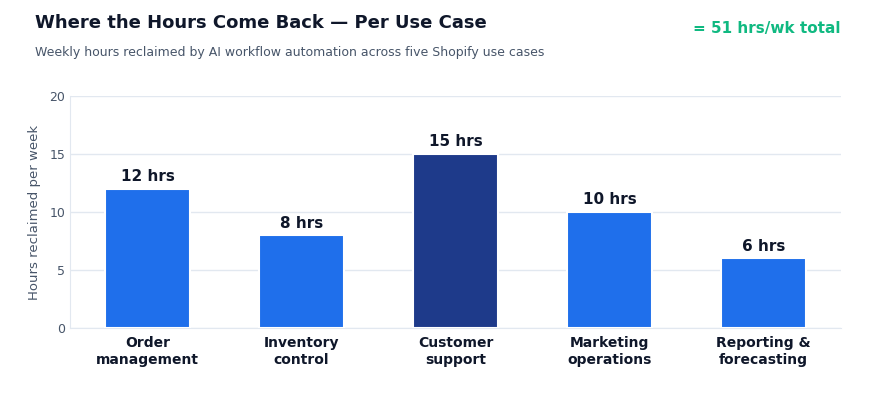
Tabela 1 · Strategia automatyzacji procesów z AI dla Shopify
| Przypadek użycia | Zdarzenie wyzwalające (Trigger) | Co robi agent AI | Odzyskane godziny / tydzień | Wysiłek / Efekt |
|---|---|---|---|---|
| ZAMÓWIENIA | Utworzono nowe zamówienie w Shopify | Przekazuje zamówienia do magazynu, generuje etykietę wysyłkową i flaguje zamówienia o wysokiej wartości lub ryzykowne do sprawdzenia przez człowieka. | ~12 godzin | SZYBKIE ZWYCIĘSTWO |
| MAGAZYN | Zmiana poziomu zapasów (sprzedaż, zwrot lub dostawa) | Dba o spójność danych we wszystkich kanałach, prognozuje wyprzedanie towaru z wyprzedzeniem 5-7 dni i tworzy listę produktów do dokupienia do akceptacji przez człowieka. | ~8 godzin | SZYBKIE ZWYCIĘSTWO |
| WSPARCIE | Nowe zgłoszenie, czat lub pytanie po zakupie | Odpowiada na powtarzające się pytania, analizuje faktyczną intencję klienta i przekazuje trudne sprawy człowiekowi wraz z pełnym kontekstem. | ~15 godzin | SZYBKIE ZWYCIĘSTWO |
| MARKETING | Sygnał behawioralny (przeglądanie strony, kolejny zakup, brak aktywności) | Grupuje kupujących, wysyła do nich dopasowane wiadomości e-mail i prognozuje idealny moment, w którym klient będzie chciał dokonać ponownego zakupu. | ~10 godzin | STRATEGICZNY |
| RAPORTY | Codzienne, cotygodniowe lub progowe sprawdzanie metryk | Generuje KPI w czasie rzeczywistym, wykrywa anomalie w przychodach lub realizacji zamówień i przygotowuje podsumowanie mijającego tygodnia. | ~6 godzin | SZYBKIE ZWYCIĘSTWO |
Co zespoły Shopify powinny zautomatyzować w pierwszej kolejności
Najlepszym miejscem na start są powtarzalne, masowe zadania o niskim poziomie ryzyka. Zazwyczaj zaliczają się do nich: tagowanie zamówień, alerty o stanie zapasów, standardowe odpowiedzi obsługi klienta oraz raporty wewnętrzne.
Te procesy są optymalne, ponieważ zapewniają szybkie sukcesy i pokazują zespołowi, jak automatyzacja procesów za pomocą AI wykracza poza proste odtwarzanie schematów, potrafiąc niemal natychmiast odmienić codzienne funkcjonowanie firmy.
Zacznij od małych kroków
Wybierz jeden proces, przetestuj go, zmierz uzyskane wyniki, a dopiero potem rozbudowuj system.
Pozostaw ludziom kontrolę
AI powinna wspierać podejmowanie decyzji, a nie eliminować nadzór tam, gdzie ludzki osąd i wyczucie są kluczowe.
Buduj z myślą o skalowaniu
Najlepsze systemy to takie, które będą rozwijać się razem ze sklepem, zamiast generować dodatkową złożoność w przyszłości.
Podsumowanie
Prowadzisz więc sklep Shopify i chcesz, aby odniósł sukces. Sęk w tym, że sama ciężka praca z czasem przestaje wystarczać. Potrzebujesz systemów, które dotrzymają kroku całemu procesowi.
W tym miejscu z pomocą przychodzi automatyzacja procesów za pomocą AI. Sprawia ona, że nudna i skomplikowana praca staje się prostsza i szybsza, dzięki czemu Twój zespół może w pełni skupić się na rozwoju biznesu.
Gdy masz do dyspozycji odpowiedni system i poukładane procesy, możesz przetwarzać więcej zamówień i szybciej odpowiadać klientom. Możesz także podejmować strategiczne decyzje bez chronicznego przepracowania.
ExactFlow to narzędzie stworzone po to, aby pomagać zespołom e-commerce na Shopify optymalizować ich procesy i wykorzystywać AI do płynniejszego zarządzania biznesem. W ten sposób możesz skalować firmę bez bólów wzrostowych, które tak często temu towarzyszą.
Marki, które odnoszą sukces w długiej perspektywie, to te, które porządkują swoje systemy od samego początku. Dzięki temu, gdy tempo rynkowe przyspiesza, automatyzacja procesów za pomocą AI jest już naturalną częścią ich biznesowej codzienności.
Najczęściej zadawane pytania (FAQ)
1. Co to jest automatyzacja procesów za pomocą AI?
To wykorzystanie sztucznej inteligencji do wykonywania zadań, które musisz powtarzać każdego dnia. System wykonuje te czynności automatycznie, a ponadto potrafi podejmować trafne decyzje w oparciu o posiadane informacje i kontekst danej sytuacji.
2. Co to jest automatyzacja procesów za pomocą agentów AI?
To zaawansowana forma automatyzacji zadań. Dzięki niej agenci AI mogą samodzielnie decydować o kolejnych krokach, podejmować działania i finalizować złożone, wieloetapowe procesy, operując na różnych narzędziach jednocześnie.
3. Dlaczego automatyzacja procesów za pomocą AI jest przydatna dla sklepów Shopify?
Jest niezwykle przydatna, ponieważ pozwala zaoszczędzić mnóstwo czasu. Pomaga również redukować błędy ludzkie, podnosi jakość obsługi klienta i umożliwia skalowanie sklepu bez konieczności natychmiastowego zatrudniania dużego zespołu.
4. Na co zwrócić uwagę przy wyborze oprogramowania do automatyzacji procesów z AI?
Szukaj rozwiązania, które bezproblemowo integruje się z Shopify. Powinno ono elastycznie zarządzać zadaniami, podejmować decyzje z użyciem AI, dostarczać jasnych raportów z wykonanych akcji oraz być proste w konfiguracji – nawet dla osób, które nie czują się ekspertami od technologii.