

11 min read
Sales Transformation: How to Build Predictable Growth
Von ExactFlow Team
27. April 2026
Most businesses fail not because they are unable to sell but because they cannot predictably sell. One month is excellent, the next level, and planning is just guesswork. That is where sales transformation comes in. It is the process of making the fragmented activities consistent to create a reliable system for increasing revenue rather than depending on six-month cycles of good fortune.
The transformation of sales in 2026 is clearly embedded with digital tools, data, and smarter customer experiences, particularly when you aim to increase e-commerce sales every month.
What Is Sales Transformation?
Sales transformation represents an organized change between ad hoc selling and a modern, data-driven transformation that brings people, processes, and technology together around a simple commercial strategy. It touches on all of them: how you create demand, how you qualify and develop leads, how your team sells, and how you retain customers.
Rather than increase the number of leads or increase calls, you can actually transform sales and start by analysing the whole sales engine and asking, Which levers, when we correct them, would help achieve predictable growth, quarter after quarter?
Why Sales Digital Transformation Matters
We cannot change sales in 2026 without a digital sales transformation. Customers shop and compare choices within seconds and demand seamless online experiences. Your pipeline and forecasts will even feel that, in case your systems are not unified or manual.
Digital transformation of your sales translates to integrating your e-commerce platform, customer relationship management, and analytics and marketing solutions to the extent that you can actually view what happens in your e-commerce sales funnel and ensure that you are automating things that matter towards boosting e-commerce sales without exhausting your team. See our About Us for more details.
Map Your E-commerce Sales Funnel First
Before you can decide on how to increase e-commerce sales, you must have a clear vision of the funnel that you are attempting to improve.
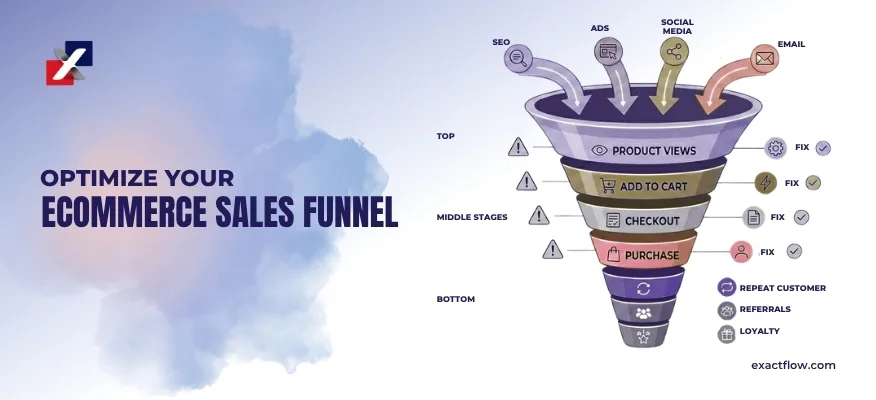
The core stages
The simple e-commerce sales funnel looks like this:
- Awareness: customers learn about your brand (ads, search engines, social media, email)
- Consideration: they browse products, compare, and read reviews
- Decision: They put it in the cart and checked out.
- Retention: They will revisit the store to make repeat purchases and referrals.
After knowing where people drop off, product views, carts, payment stages, and so on, you can focus your transformation efforts there; they will have maximum effects and increase e-commerce sales sooner.
How to Increase E-commerce Sales with Sales Transformation
1. Fix the basics of your buying experience
A main part of how to increase ecommerce sales means eliminating friction that your customers hate silently: slow pages, perplexing navigation, lack of information, or hidden charges at checkout.
Minor enhancements, clear benefits of the products, social proof, transparent shipping, and a quicker checkout can increase e-commerce sales more than an alternative discount promotion.
2. Use data, not guesses, to guide decisions
Modern transformation starts with data:
- Which products convert best?
- Where do people drop the funnel?
- Which channels bring high‑intent traffic?
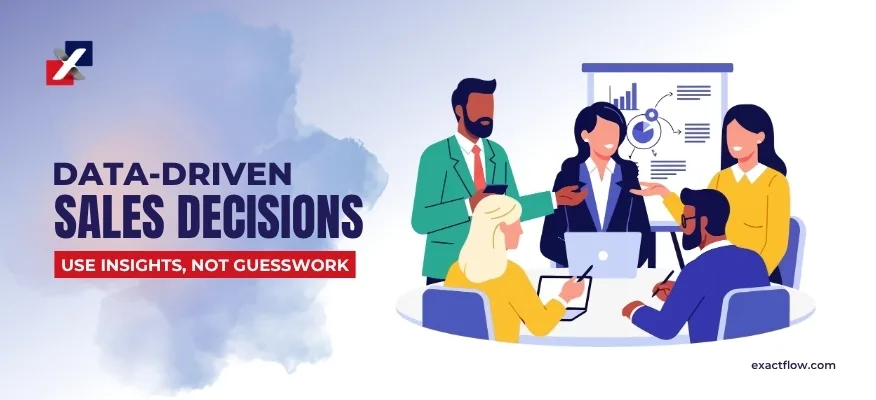
Once you quit guessing and start working with numbers, decisions such as how to increase ecommerce sales become realistic: enhance product detail pages that already have visitors, allocate more resources to the profitable channels, or correct the bottlenecks rather than trying all the new strategies. Contact us today.
Sales Transformation Tactics That Drive Predictable Growth
Build a repeatable playbook
Doing the right things in the same way over and over will bring predictable growth. Document how you:
- Launch new products
- Run promotions
- Follow up with high-intent visitors (browse but do not purchase)
Turning it into a transformation playbook would enable you to replicate the strategy within teams, regions, and with new hires without starting from scratch each time.
Align marketing and sales around the same metrics
Sales transformation cannot be successful without marketing and sales (or growth and CX in e-commerce) being defined by the same definition of success (qualified traffic, funnel conversion, repeat purchase rate, and lifetime value).
Once the two are on the same page on how to increase sales on an e-commerce site, campaigns no longer become vanity projects and start to be measured on real revenue impact.
Sales Digital Transformation in Action
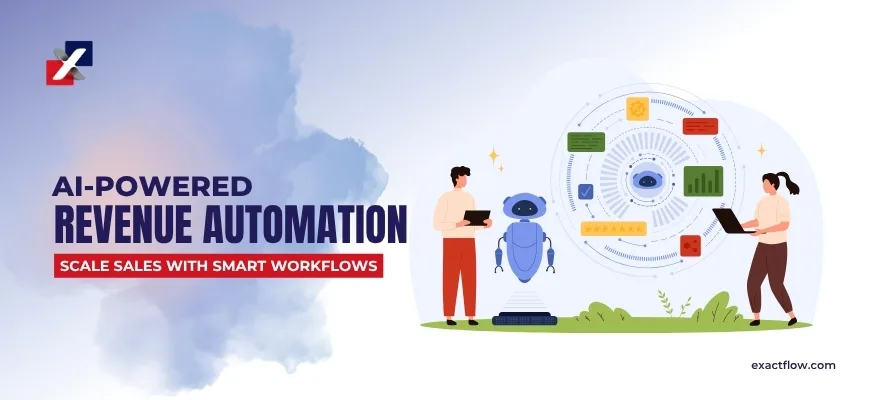
What does digital transformation of sales look like in practice?
- Channel pricing and data centralization of products.
- Abandoned cart automation, cross-sell flow, and back-in-stock automation.
- live funnel performance and revenue trend dashboard.
- Personalizing content and offers.
Collectively, these factors make a store into a system that can increase e-commerce sales systematically rather than randomly.
How to Boost E-commerce Sales with Customer Experience
Make every step feel effortless
When you are serious about how to boost e-commerce sales, think like your shopper: Can they get what they are looking at with two or three clicks? Is the mobile experience as easy as desktop checkout? Are they confident due to the clearness of reviews, returns, and support?
One of the fundamental pillars of sales transformation is to improve experience, as satisfied customers make more frequent purchases and recommend you more easily.
Invest in retention, not just acquisition
Customers returning is the key to predictable growth. Email, SMS, and loyalty programmes should be used to ensure that first-time buyers become regulars. High-ROI levers of how to increase ecommerce sales long-term include well-formulated post-purchase flows and customized offers.
Conclusion
There is absolutely no predictable growth in doing more random tactics; you can do it by redesigning your revenue engine. Sales transformation is taking a step back, charting out your e-commerce sales channel and then applying digital tools, data and clear processes to fix what actually slows you down.
Once you treat sales transformation as a coordinated digital-first move, instead of just a new campaign, you design a business that understands precisely how to grow ecommerce sales, quarter after quarter, without aligning your staff or draining your budget.
ExactFlow assists ecommerce brands and B2B teams in converting ideas of transforming sales into automated and measurable workflows that will generate predictable and compounding growth.
The real win is simple: leverage sales transformation to develop a system which learns, enhances, and grows bigger so each month no longer sees hopeful data but dependable, data-based results.
Frequently Asked Questions
What is Sales Transformation?
What is Sales Transformation?
This transformation is a strategic overhaul of your sales approach that aligns people, processes, and technology around a modern, data‑driven model to make revenue more predictable and scalable.
How is sales digital transformation different?
How is sales digital transformation different?
Sales digital transformation focuses specifically on replacing manual, fragmented tools with integrated digital systems like unified ecommerce platforms, CRMs, and automation so you can see and optimize your full ecommerce sales funnel in real time. A common example of this integration is using a CRM.
How can sales transformation help increase e-commerce sales?
How can sales transformation help increase e-commerce sales?
By clarifying your funnel, improving customer experience, aligning teams, and using data to fix bottlenecks, Sales Transformation gives you a structured way to increase e-commerce sales through better conversion, higher average order value, and more repeat purchases. Many ecommerce brands rely on platforms like Shopify to manage online storefronts and optimize digital sales processes.
Where should I start if I want to know how to increase e-commerce sales?
Where should I start if I want to know how to increase e-commerce sales?
Start by auditing your current ecommerce sales funnel: identify where visitors drop off, which channels bring quality traffic, and which products drive profit. Use those insights to prioritize quick-win improvements (like checkout, product pages, and key automations) as the first step in your broader sales transformation journey. Insights from industry research, such as McKinsey & Company, can also help businesses understand modern digital sales strategies.