
15 min di lettura
Automazione e-commerce: guida completa alle operazioni potenziate dall’IA nel 2026
Di ExactFlow Team
6 maggio 2026
Mentre il mondo dello shopping online entra in una nuova era nel 2026, l’automazione è ormai il modo in cui i brand di successo fanno affari. La combinazione di intelligenza artificiale e automazione non è qualcosa che puoi scegliere di fare o non fare. È ciò che fa la differenza tra i brand che avanzano rapidamente e quelli che vengono lasciati indietro. Con l’automazione dell’e-commerce, i negozi online possono crescere, diventare più efficienti e offrire un’esperienza d’acquisto più personalizzata ai clienti. Possono generare maggiori ricavi.
Introduzione all’automazione dell’e-commerce
Che cos’è l’automazione dell’e-commerce?
L’automazione dell’e-commerce consiste nell’utilizzo di strumenti e intelligenza artificiale per eseguire attività ripetitive, come l’invio di email, il controllo delle scorte, il tracciamento degli ordini e la generazione di report, senza che una persona debba supervisionare costantemente. Nel 2026, l’automazione non riguarda più solo il seguire regole; riguarda l’uso dell’intelligenza per creare flussi di lavoro capaci di imparare da ogni interazione. Le aziende non automatizzano solo per risparmiare tempo; lo fanno per essere più forti, più precise e più scalabili nel tempo.
Ad esempio, un negozio online può utilizzare uno strumento di marketing che invia automaticamente offerte speciali stagionali ai clienti in base a ciò che hanno visualizzato sul sito web. Lo strumento raccoglie i dati e raggruppa i clienti. Invia loro messaggi perfettamente personalizzati, senza intervento manuale.
Come funziona l’automazione nei negozi online
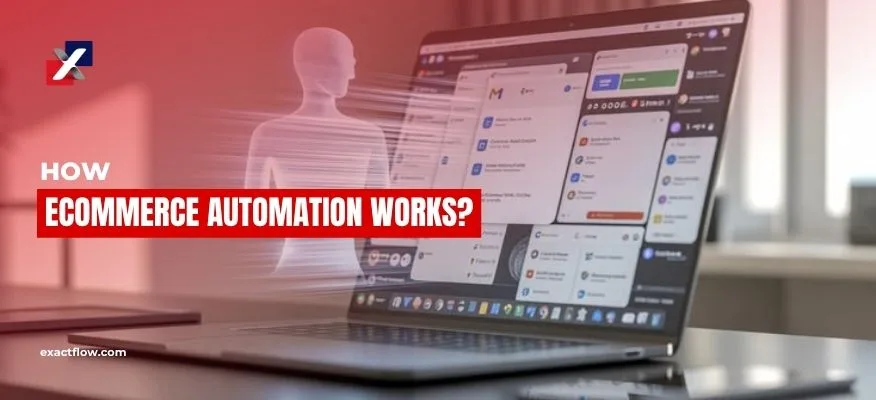
Dietro le quinte, l’automazione collega sistemi aziendali come CRM, CMS ed ERP. Quando un cliente compie un’azione o i dati vengono aggiornati, questi sistemi comunicano in tempo reale. Se un cliente acquista qualcosa, la sequenza di automazione può verificare il pagamento, aggiornare i record, avvisare il team di evasione ordini, inviare la conferma e i dettagli di spedizione al cliente e persino aggiornare il valore del cliente nel tempo.
Questi flussi di lavoro funzionano continuamente. Piattaforme come Shopify e Zoho CRM mostrano come integrazioni avanzate possano mantenere migliaia di negozi online operativi in tutto il mondo.
Componenti chiave dei sistemi di automazione
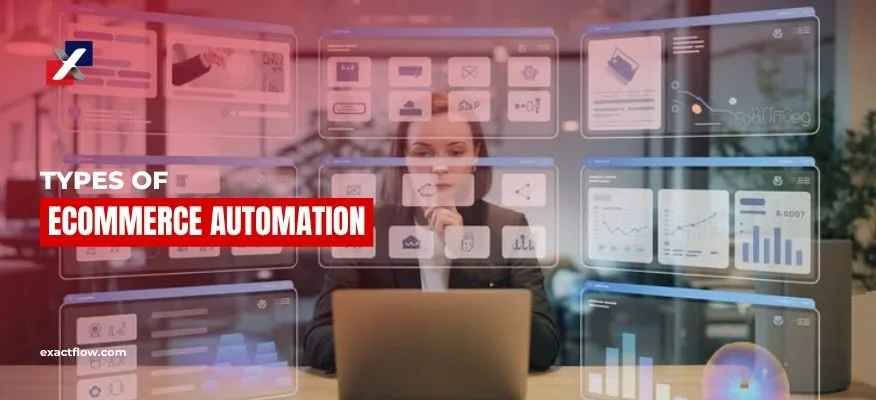
Esistono strumenti che aiutano a creare flussi di lavoro. Esistono connettori che collegano CRM, magazzino e sistemi finanziari. Esistono moduli di intelligenza artificiale che comprendono il comportamento dei clienti e prevedono ciò che desiderano. Esistono dashboard che offrono ai team una visione completa dell’intero business. Ogni livello riduce le frizioni tra i reparti ed evita errori umani che possono rallentare la crescita.
Differenza tra automazione e agenti AI
L’automazione segue regole predefinite: “se succede questo, allora fai quello”. Gli agenti AI osservano ciò che accade e migliorano le regole nel tempo. Quando si combinano automazione e agenti AI, è come avere una forza lavoro capace di anticipare: l’automazione gestisce la logistica mentre gli agenti AI guidano il processo e prevedono cosa dovrebbe accadere in base a modelli e probabilità.
Tipi di automazione dell’e-commerce
Il livello di automazione può variare notevolmente. Nel 2026, ogni parte dell’azienda, dal marketing alla finanza, si basa su flussi di lavoro.
Automazione del marketing
Piattaforme di marketing automatizzato come HubSpot e Mailchimp aiutano i brand a gestire i lead, programmare contenuti personalizzati per ciascun cliente e monitorare il coinvolgimento. I modelli di machine learning individuano i momenti migliori per inviare messaggi e il tono più adatto per ogni gruppo di clienti.
Automazione delle vendite
I sistemi CRM basati su AI, come Salesforce Einstein, utilizzano lo scoring per identificare i lead più promettenti. Promemoria automatici e regole di prezzo dinamiche mantengono attivo il processo di vendita anche quando il team non è operativo.
Automazione del supporto clienti
I sistemi di supporto utilizzano chatbot, knowledge base e strumenti di ticketing automatico. L’AI comprende le richieste dei clienti e le indirizza immediatamente al team giusto, riducendo i tempi di risoluzione.
Automazione di inventario e ordini
I negozi online possono aggiornare i prodotti in tempo reale, utilizzare magazzini intelligenti e inviare notifiche automatiche ai fornitori, garantendo un’evasione degli ordini fluida. Questo evita le rotture di stock e aumenta la fiducia dei clienti.
Automazione finanziaria e reporting
Gli strumenti contabili analizzano i dati delle transazioni e forniscono report immediati sulla redditività del business, eliminando la necessità di fogli di calcolo manuali.
Agenti AI nell’automazione dell’e-commerce

Cosa sono gli agenti AI?
Gli agenti AI sono sistemi intelligenti specializzati che operano autonomamente all’interno dell’ecosistema digitale. Analizzano dati non strutturati come sentimenti, tono e preferenze, oltre ai dati numerici, fornendo informazioni utilizzabili.
Tipi di agenti AI (vendite, supporto, operazioni, HR)
- Agenti di vendita: monitorano le conversioni, regolano le offerte e consigliano bundle di prodotti.
- Agenti di supporto: gestiscono FAQ, rimborsi e aggiornamenti di spedizione 24/7.
- Agenti operativi: organizzano la logistica e la distribuzione delle risorse.
- Agenti HR: automatizzano paghe o assunzioni del personale e-commerce.
Come gli agenti AI migliorano l’efficienza
Gli agenti AI non solo riducono il lavoro, ma migliorano anche la qualità. Le loro capacità di previsione riducono gli errori umani nella domanda futura, nel riassortimento e nella risposta alle tendenze emergenti.
Casi d’uso reali degli agenti AI
Piattaforme popolari come ExactFlow hanno integrato motori di raccomandazione in grado di analizzare milioni di transazioni e apportare modifiche automatiche alle inserzioni e alle offerte di marketing. Contattaci oggi.
Vantaggi dell’automazione dell’e-commerce
I vantaggi dell’automazione aumentano con la scala e l’esperienza.
Risparmio di tempo e costi
Eliminare i processi ripetitivi consente di risparmiare centinaia di ore di lavoro al mese; i dipendenti possono concentrarsi su strategia e innovazione.
Miglioramento dell’esperienza cliente
La soddisfazione aumenta quando le interazioni sono coerenti e personalizzate. L’automazione basata su AI garantisce questa uniformità senza affaticamento.
Aumento dei tassi di conversione
Le campagne personalizzate e reattive convertono di più. Offerte a tempo limitato ed email di recupero carrello sono automatizzate, aumentando il coinvolgimento.
Migliori dati e decisioni
L’automazione unifica i flussi di dati e consente il monitoraggio trasversale, facilitando decisioni informate.
Scalabilità e crescita
Le infrastrutture automatizzate possono espandersi facilmente verso nuovi mercati o linee di prodotto con minimo sforzo.
Flusso di lavoro dell’automazione e-commerce
Ogni fase del percorso cliente è automatizzata.
Automazione del customer journey (end-to-end)
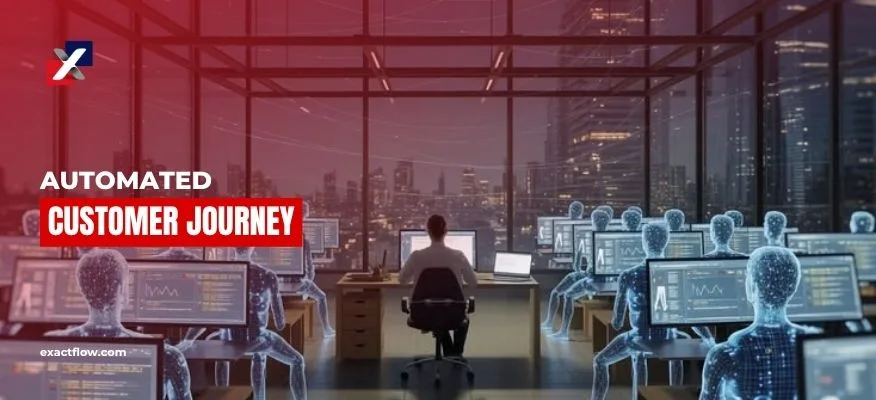
Fornisce attività automatizzate mirate in ogni fase del processo, dalla prima impression pubblicitaria alle email di fidelizzazione post-acquisto.
Flusso da lead a conversione
Gli strumenti predittivi segmentano i lead per livello di engagement; i lead più caldi ricevono follow-up prioritari mentre quelli più freddi entrano in campagne di nurturing a lungo termine.
Flusso post-acquisto
Feedback e ricevute vengono gestiti tramite sequenze automatizzate post-vendita, che includono raccomandazioni di prodotti complementari per aumentare il lifetime value.
Automazione di retention e loyalty
L’AI analizza frequenza di acquisto e livelli di soddisfazione per attivare programmi di incentivazione automatici, inclusi sconti, badge e anteprime esclusive.
Automazione del marketing e-commerce
Automazione email (benvenuto, carrello abbandonato, retention)
Con gli ecosistemi email, la personalizzazione può essere applicata dinamicamente durante il percorso del messaggio di benvenuto, la sequenza di carrelli abbandonati e il piano di retention dei VIP. La tempistica e la rilevanza dei messaggi sono ottimizzate dall’automazione.
Automazione dei social media
Con Hootsuite o altre piattaforme, i marketer pianificano i post, monitorano gli indicatori di engagement e coordinano il lavoro su più canali.
Automazione della pubblicità a pagamento (PPC & retargeting)
I sistemi AI osservano il traffico degli utenti e modificano le offerte (bid) minuto per minuto, raggiungendo così gli obiettivi di conversione in modo efficiente.
Automazione SEO e workflow dei contenuti
Strumenti come SurferSEO possono valutare l’efficacia di una keyword e suggerire automaticamente azioni on-page per migliorare il posizionamento nei motori di ricerca — accelerando i cicli di crescita aziendale.
Personalizzazione tramite AI
L’uso dell’AI collega la cronologia di navigazione e i dati demografici ai carrelli prodotti per aumentare la qualità del matching e migliorare i tassi di conversione.
Automazione delle vendite ed e-commerce funnel
Che cos’è un funnel di vendita e-commerce?
Un funnel di vendita e-commerce è il percorso che un cliente compie dalla scoperta del brand fino all’acquisto e al ritorno. Tipicamente include consapevolezza, considerazione, conversione e fidelizzazione. L’automazione aiuta a guidare i clienti in ogni fase con il messaggio, l’offerta o il follow-up giusto al momento giusto. Un funnel ben costruito aiuta anche a identificare dove i clienti abbandonano il percorso per migliorare le performance.
Automazione della qualificazione dei lead
Il punteggio AI utilizza clic, aperture, visite al sito, azioni nel carrello e tempo trascorso sulla pagina. Questo aiuta i team di vendita a concentrarsi sui prospect con la più alta intenzione di acquisto invece di distribuire lo stesso tempo su tutti i lead. Inoltre consente una risposta più rapida, poiché i lead caldi tendono a convertire meglio se contattati rapidamente. Per gli store in crescita, questo tipo di automazione riduce la selezione manuale e migliora l’efficienza delle vendite.
Upselling e cross-selling automatizzati
L’automazione può suggerire prodotti basati sulla cronologia di navigazione, acquisti precedenti o pattern di articoli simili. L’aumento del valore medio dell’ordine può avvenire senza interrompere l’esperienza d’acquisto quando le raccomandazioni sono rilevanti. Ad esempio, un cliente che acquista un laptop può vedere anche una custodia, un mouse o una garanzia. In questo modo, upselling e cross-selling diventano supportivi invece che invasivi.
Ottimizzazione del tasso di conversione con AI
Gli strumenti AI possono testare continuamente landing page, layout delle pagine prodotto, CTA e offerte. Questo offre alle aziende un modo più rapido per migliorare i tassi di conversione rispetto ai test manuali. Invece di fare ipotesi, i team utilizzano i dati sul comportamento dei clienti. Nel tempo, questi piccoli miglioramenti creano un funnel di vendita molto più forte.
Automazione del supporto clienti
Chatbot AI vs supporto umano
I chatbot AI sono efficaci nelle risposte rapide e nella disponibilità 24/7. I casi complessi, emotivi o insoliti richiedono ancora l’intervento umano. Il modello più efficace di supporto è un approccio ibrido, che consente di risolvere subito le richieste semplici e di inoltrare quelle complesse a operatori umani. Questo equilibrio migliora velocità e fiducia del cliente.
Sistemi di ticketing automatizzati
I sistemi di ticketing automatizzati possono classificare le richieste in base a argomento, urgenza o tipo di cliente. Questo fa risparmiare tempo al team di supporto e aiuta a dare priorità ai problemi critici. Riduce anche il rischio di messaggi persi o ritardati. Con l’aumento dei ticket, la velocità e l’organizzazione diventano fondamentali.
Supporto clienti 24/7 con AI
I clienti acquistano in orari e fusi orari diversi, quindi il supporto continuo è essenziale. Con l’AI questo è possibile senza un grande team sempre online. Può rispondere a domande comuni, fornire aggiornamenti sugli ordini e guidare i clienti al passo successivo. Questo migliora l’esperienza di acquisto e riduce i tempi di attesa.
Riduzione dei costi del supporto con automazione
L’automazione riduce i costi del supporto eliminando le richieste ripetitive che altrimenti occuperebbero il tempo degli operatori. Domande su spedizioni, resi, taglie e stato degli ordini possono essere risolte automaticamente. Questo permette al personale umano di concentrarsi su casi più complessi. Nel tempo, il servizio migliora senza aumentare i costi operativi.
Automazione di inventario e gestione ordini
Tracciamento automatico dell’inventario
Il monitoraggio dell’inventario in tempo reale evita overselling e stockout. Le scorte si aggiornano automaticamente quando avviene una vendita. Questo è particolarmente utile per aziende su più canali o marketplace. Una migliore visibilità dell’inventario supporta anche il riassortimento intelligente.
Automazione del processamento ordini
L’automazione del processamento ordini accelera il flusso tra checkout ed evasione. Quando il pagamento viene ricevuto, il sistema aggiorna l’inventario, genera etichette, invia conferme e notifica i team di spedizione. Questo riduce il lavoro manuale e gli errori.
Previsione della domanda con AI
L’AI può analizzare vendite storiche, trend stagionali e comportamento dei clienti per prevedere la domanda futura. Questo aiuta le aziende a ordinare la giusta quantità di stock al momento giusto. Previsioni migliori riducono sprechi, proteggono il flusso di cassa e prevengono mancate vendite. È uno degli usi più pratici dell’AI nell’e-commerce.
Riduzione di stockout e overstock
L’automazione aiuta a bilanciare l’inventario avvisando i team quando i prodotti stanno vendendo troppo velocemente o troppo lentamente. Gli stockout causano perdita di vendite, mentre l’overstock blocca capitale e spazio di magazzino. Con migliori alert e previsioni, le aziende prendono decisioni di acquisto più accurate. Questo mantiene operazioni più snelle e redditizie.
Automazione finanziaria nell’e-commerce
Fatturazione e billing automatizzati
La fatturazione automatizzata fa risparmiare tempo e riduce errori nei flussi finanziari. Può generare fatture subito dopo una vendita o un rinnovo e mantenere i dati ordinati nei sistemi contabili. Questo semplifica la riconciliazione e rende i team pronti per audit.
Monitoraggio profitti e misurazione ROI
I dashboard connessi rendono chiaro quali canali e campagne sono redditizi. Il solo fatturato non indica la reale performance del business, quindi il tracking del ROI è essenziale. L’automazione unifica dati di vendite, marketing e finanza in un unico punto.
Gestione delle spese automatizzata
L’automazione delle spese può classificare transazioni, segnalare spese sospette e semplificare i report. Questo dà più controllo ai team finanziari senza lavoro manuale extra. Riduce anche errori e accelera le revisioni mensili.
Insight finanziari con AI
Un agente finanziario AI può identificare pattern in spese, profitti e stagionalità e mostrare insight che altrimenti verrebbero persi. Questo permette alle aziende di agire in anticipo invece di aspettare report di fine mese.
Strumenti e piattaforme di automazione e-commerce
Strumenti CRM per e-commerce
Gli strumenti CRM aiutano a centralizzare i dati dei clienti, monitorare l’engagement e migliorare la segmentazione. Questo semplifica la gestione di lead, clienti abituali e comunicazioni post-acquisto. Quando il CRM è integrato con altri sistemi, l’automazione diventa molto più efficace.
Strumenti di email marketing automation
Strumenti di automazione email possono inviare automaticamente email di benvenuto, promemoria carrello, email post-acquisto e campagne di re-engagement. Questo aiuta le aziende a mantenere il contatto con i clienti senza lavoro manuale continuo. Le comunicazioni restano tempestive e coerenti.
Piattaforme di AI automation
Le piattaforme AI vanno oltre l’automazione basata su regole, includendo previsione e analisi. Possono supportare forecasting, personalizzazione e reporting. Per questo sono utili alle aziende che vogliono decisioni migliori su larga scala. Sono particolarmente efficaci in operazioni complesse.
Soluzioni e-commerce all-in-one
Le soluzioni all-in-one combinano operazioni, analisi e marketing in un unico sistema. Questo elimina la necessità di usare molti strumenti separati. Semplifica anche la formazione dei team e la scalabilità dei processi.
Come scegliere lo strumento giusto
Scegli gli strumenti in base a dimensione del business, obiettivi e integrazioni richieste. Un piccolo store può usare soluzioni semplici, mentre un’azienda grande può richiedere maggiore personalizzazione. È importante testare se lo strumento si adatta al workflow esistente.
Come implementare l’automazione e-commerce
Fase 1: analizzare le operazioni attuali
Inizia elencando le attività quotidiane o settimanali del team. Questo aiuta a identificare dove si perde tempo e dove l’automazione può aiutare di più. Usi comuni includono follow-up, controlli stock e reporting. Un audit chiaro facilita l’implementazione.
Fase 2: identificare le opportunità di automazione
Concentrati su attività ripetitive, sensibili al tempo e legate ai ricavi. Queste sono spesso le vittorie più rapide. Esempi includono email carrello abbandonato, lead scoring e notifiche ordini.
Fase 3: scegliere strumenti e agenti AI
Seleziona strumenti allineati ai tuoi obiettivi e compatibili con i sistemi esistenti. È meglio non introdurre complessità inutile all’inizio. Una configurazione semplice è più facile da gestire e ottimizzare.
Fase 4: creare workflow di automazione
Mappa il workflow per capire cosa attiva un’azione e quale sia il passo successivo. Questo evita confusione e semplifica la risoluzione dei problemi. Una buona pianificazione mantiene anche i sistemi allineati. Più il workflow è chiaro, più è scalabile.
Fase 5: test e ottimizzazione
Valuta regolarmente le performance e modifica quando necessario. Anche piccoli cambiamenti in timing, messaggi o logica possono migliorare i risultati. Con la crescita del business, l’automazione deve evolvere. Il testing aiuta a mantenere il sistema efficace. Scopri le best practice nella nostra pagina Chi Siamo.
Errori comuni nell’automazione e-commerce
Over-automazione senza strategia
Automatizzare tutto senza una strategia può rendere il sistema robotico. È meglio concentrarsi su obiettivi chiari e workflow definiti. L’automazione deve essere guidata dalla strategia, non il contrario.
Ignorare l’esperienza cliente
L’automazione deve comunque risultare utile e personale. Se i messaggi sono generici o mal sincronizzati, possono danneggiare la fiducia. Bisogna sempre considerare l’esperienza del cliente in ogni fase.
Integrazione dati scadente
La mancanza di integrazione tra sistemi crea confusione e report inaffidabili. Una buona automazione richiede flussi di dati puliti tra strumenti. Senza di essi, anche i workflow più forti possono fallire.
Mancata misurazione delle performance
Senza tracking dei risultati, non sai cosa funziona. Metriche come conversion rate, tempi di supporto e accuratezza degli ordini sono fondamentali. La misurazione rende l’automazione responsabile.
Migliori pratiche per l’automazione e-commerce
Partire in piccolo e scalare gradualmente
Inizia con un singolo workflow e costruisci sopra di esso. Questo riduce i rischi e facilita l’adozione. Dà anche tempo al team di imparare.
Focus sulle aree ad alto impatto
Concentrati sui processi che fanno risparmiare più tempo o generano più valore. Questi sono spesso i migliori punti di partenza. Aiutano a creare momentum.
Combinare workflow umani e AI
Automatizza con AI, ma mantieni l’intervento umano dove sono necessarie decisioni critiche. Questo combina i vantaggi di entrambi i mondi. Migliora anche la fiducia dei clienti.
Ottimizzazione continua dell’automazione
Rivedi i processi regolarmente perché il comportamento dei clienti cambia e anche l’automazione deve adattarsi. Il miglioramento continuo mantiene alte le performance.
Casi d’uso dell’automazione e-commerce
Piccole imprese
L’automazione aiuta le piccole imprese a operare con meno personale. Risparmia tempo e riduce il carico sui team. Anche workflow semplici possono avere un grande impatto.
Store dropshipping
Il dropshipping beneficia di routing automatico degli ordini, gestione inventario e coordinamento fornitori. Questo migliora velocità e affidabilità e riduce gli errori manuali.
Grandi brand e-commerce
I grandi brand usano l’automazione per gestire volumi elevati di ordini, clienti e dati. Questo mantiene ordine e coerenza operativa, soprattutto su più canali.
Business e-commerce B2B
I negozi B2B possono automatizzare preventivi, approvazioni e follow-up. Questo accelera cicli di acquisto più lunghi e migliora la gestione account.
ROI dell’automazione dell’e-commerce
Come misurare il ROI
Calcola il ROI in termini di risparmio di tempo, riduzione del personale, errori, conversioni e fidelizzazione. Queste metriche indicano se l’automazione sta facendo la differenza. Una decisione ben presa dipende da una misurazione accurata.
Analisi costi vs benefici
L’automazione comporta costi iniziali di configurazione, ma spesso si ripaga grazie a efficienza e precisione. L’investimento iniziale può essere coperto dai risparmi nel lungo periodo. È un buon investimento a lungo termine.
Aumento del ROI con l’automazione
L’uso della personalizzazione e di analisi più intelligenti può migliorare ulteriormente i risultati. Più il workflow è pertinente, maggiore sarà il valore generato. È qui che l’automazione diventa un vero motore di crescita.
Esempi di casi studio
L’automazione dei principali workflow è nota per aumentare i margini di molte aziende e semplificarne le operazioni. I maggiori benefici sono solitamente legati a sistemi connessi. Anche piccoli miglioramenti possono accumularsi rapidamente.
Futuro dell’automazione dell’e-commerce

Commercio AI-first
L’AI avrà un ruolo sempre più importante nelle decisioni di marketing, operazioni e supporto. Le aziende si affideranno alle previsioni invece che all’intuizione. Questo renderà il business più veloce e intelligente.
Automazione predittiva
I sistemi di nuova generazione agiranno prima ancora che i problemi si manifestino. Anticiperanno domanda, churn e problemi di stock. Questo crea un modello di business più proattivo.
Commercio vocale e conversazionale
Le interfacce vocali e l’AI conversazionale stanno diventando parte dell’esperienza d’acquisto. I clienti interagiranno con i negozi tramite chat, voce e app di messaggistica. L’automazione alimenterà queste interazioni in tempo reale.
Tendenze no-code
I team non tecnici stanno adottando l’automazione grazie agli strumenti no-code. Questo accelera l’adozione e riduce la dipendenza dagli sviluppatori. Incoraggia anche la sperimentazione.
Perché scegliere ExactFlow per l’automazione e-commerce
ExactFlow aiuta le aziende a costruire workflow più intelligenti e operazioni e-commerce più efficienti. Offre ai team un’unica piattaforma per gestire marketing, supporto e reporting in modo più efficace.
Agenti AI per ogni funzione
Gli agenti AI riducono le attività ripetitive e supportano diverse aree dell’azienda. Semplificano le operazioni e le rendono più coerenti.
Piattaforma di automazione end-to-end
ExactFlow collega i workflow chiave lungo tutto il customer journey. Questo semplifica la gestione dell’intero sistema.
Insight e analisi in tempo reale
I dati in tempo reale aiutano i team a prendere decisioni più rapide e precise. Questo migliora il controllo operativo.
Soluzioni scalabili per la crescita
ExactFlow può crescere insieme al tuo business. I piani flessibili supportano diverse fasi di espansione. Vedi i dettagli nella nostra pagina dei prezzi.
Considerazioni finali sull’automazione dell’e-commerce
L’automazione dell’e-commerce fa risparmiare tempo, migliora l’esperienza cliente e consente alle aziende di crescere in modo più efficiente. È ormai parte integrante della strategia e-commerce nel 2026. I primi ad adottarla hanno un chiaro vantaggio nel lungo periodo.
Frequently Asked Questions
Cos’è l’automazione dell’e-commerce?
Cos’è l’automazione dell’e-commerce?
È l’uso della tecnologia per automatizzare attività ripetitive nei negozi online.
Come l’AI aiuta l’automazione e-commerce?
Come l’AI aiuta l’automazione e-commerce?
L’AI aggiunge previsione, personalizzazione e decisioni intelligenti ai processi di automazione.
Quali sono i migliori strumenti di automazione?
Quali sono i migliori strumenti di automazione?
I migliori strumenti sono quelli che si adattano alle esigenze del business, si integrano facilmente e sono scalabili.
L’automazione e-commerce è costosa?
L’automazione e-commerce è costosa?
Può richiedere un investimento iniziale, ma spesso genera più risparmi di quanto costa nel lungo periodo.
Come iniziare l’automazione in una piccola impresa?
Come iniziare l’automazione in una piccola impresa?
Inizia con un’attività ripetitiva, testa un workflow semplice e scala gradualmente.