
10 min czytania
Jak agenci AI upraszczają księgowość i raportowanie finansowe w e-commerce
Autor: ExactFlow Team
15 maja 2026
Prowadzenie sklepu internetowego jest ekscytujące, dopóki nie otworzysz swoich ksiąg rachunkowych. Liczne opłaty platformowe, zwroty, rabaty, koszty zapasów i podatki szybko sprawiają, że proste raportowanie staje się udręką. W tym miejscu sztuczna inteligencja w księgowości e-commerce całkowicie zmienia reguły gry.
Zamiast walczyć z arkuszami kalkulacyjnymi i ręcznym pobieraniem danych, Twoje kanały sprzedaży zostaną połączone, a dane oczyszczone przez agentów AI, co pozwoli Ci uzyskać jasne wyniki liczbowe, którym naprawdę możesz zaufać.
Dlaczego księgowość w e-commerce jest tak trudna (i tak ważna)
Stary model księgowości został zaprojektowany z myślą o prostych przelewach bankowych i podstawowych fakturach, a nie o setkach czy tysiącach mikrotransakcji dziennie. Księgowość e-commerce musi radzić sobie z następującymi wyzwaniami:
- Zamówienia z wielu kanałów (własny sklep, platformy marketplace, media społecznościowe).
- Zwroty pieniędzy, opłaty procesorów płatności i obciążenia zwrotne (chargebacki).
- Przepływ produktów i koszt własny sprzedaży (COGS).
- Podatki w różnych regionach i krajach.
Kiedy Twoja księgowość e-commerce jest w chaosie, cierpią na tym Twoje rachunki zysków i strat, strategie przepływów pieniężnych oraz deklaracje podatkowe. Właśnie dlatego wiele marek zwraca się obecnie ku agentom AI, aby opanować ten chaos.
Co robią agenci AI w księgowości e-commerce
Agenci AI to niestrudzeni, skomputeryzowani księgowi działający między Twoim sklepem a rejestrami finansowymi. Ich zadaniem jest przekształcanie surowych informacji o transakcjach w czyste i ustrukturyzowane zapisy.
Inteligentne zbieranie danych
Zamiast ręcznego eksportowania raportów z każdej platformy, oprogramowanie księgowe dla e-commerce oparte na AI potrafi:
- Pobierać informacje o sprzedaży, opłatach i wypłatach we wszystkich Twoich kanałach.
- Dopasowywać wypłaty do właściwych zamówień i opłat.
- Automatycznie identyfikować i wskazywać luki lub rozbieżności.
To jest właśnie podstawa inteligentnej księgowości e-commerce — otrzymywanie kompletnych i dokładnych danych bez ciągłego kopiowania i wklejania.
Automatyczna kategoryzacja
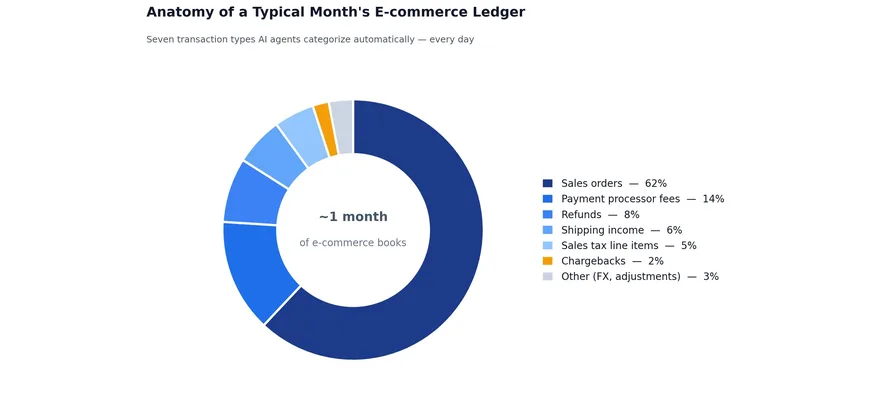
Po odebraniu danych agenci AI kategoryzują je: sprzedaż, opłaty, przychody z wysyłki, zwroty, obciążenia zwrotne i inne. Dzięki odpowiednio skonfigurowanej księgowości e-commerce zyskasz standaryzowane kategorie, dzięki którym Twój rachunek zysków i strat (P&L) będzie łatwy do zrozumienia, a nie będzie jedynie zbiorem chaotycznych pozycji.
Ciągłe uzgadnianie kont
Automatyzacja księgowości e-commerce napędzana przez AI jest w stanie przetwarzać wyciągi bankowe, wypłaty i wewnętrzne rejestry, aby upewnić się, że wszystko się zgadza. Gdy pojawia się rozbieżność, system natychmiast ostrzega Cię o problemie, zamiast pozwalać, by nawarstwiał się on na Twoich kontach przez wiele miesięcy.
Tabela 1 · Typowe problemy w księgowości e-commerce — i jak radzą sobie z nimi agenci AI
| Problem księgowy | Jak wygląda proces ręczny | Jak radzi sobie z tym agent AI | Rzeczywisty wpływ |
|---|---|---|---|
| Uzgadnianie sprzedaży wielokanałowej | Eksportowanie plików CSV z Shopify, Amazon i platform marketplace; ręczne łączenie w arkuszach co tydzień | Automatycznie pobiera dane z każdego kanału przez API i na bieżąco jednoczy je w księdze głównej | Godziny spędzone na uzgadnianiu skracają się do minut |
| Opłaty i prowizje procesorów płatności | Ręczne śledzenie opłat Stripe / PayPal / Klarna dla każdej transakcji | Automatycznie dopasowuje każdą wypłatę do zamówień, czysto rozbijając pobrane opłaty | Raporty dotyczące marży przestają ukrywać wyciekające prowizje |
| Zwroty i obciążenia zwrotne | Ręczne korygowanie po fakcie, często z wielotygodniowym opóźnieniem | Wykrywane i rejestrowane jako storno w czasie niemal rzeczywistym | Koniec ze sztucznie zawyżonymi przychodami w rachunku zysków i strat |
| Zamówienia w wielu walutach | Przeliczanie kursów walut po fakcie, często z błędnymi datami | Aktualne kursy walut stosowane automatycznie w momencie każdej transakcji | Marża brutto według regionów staje się wreszcie wiarygodna |
| Zapasy i koszt własny sprzedaży (COGS) | Arkusze kalkulacyjne oderwane od sprzedaży; COGS uzgadniany w najlepszym wypadku raz w miesiącu | Koszt COGS jest automatycznie aktualizowany i przypisywany wraz z wysyłką każdego zamówienia | Rzeczywisty zysk w czasie rzeczywistym w rozbiciu na każdy SKU |
| Podatki od sprzedaży w różnych regionach | Ręczne sprawdzanie stawek dla poszczególnych jurysdykcji; nieustanne wątpliwości | Prawidłowa stawka podatku dobierana automatycznie na podstawie adresu wysyłki | Stała gotowość do audytu zamiast paniki przed kontrolą |
Inteligentna księgowość w e-commerce: Kluczowe korzyści
Oszczędność czasu i mniej ludzkich błędów
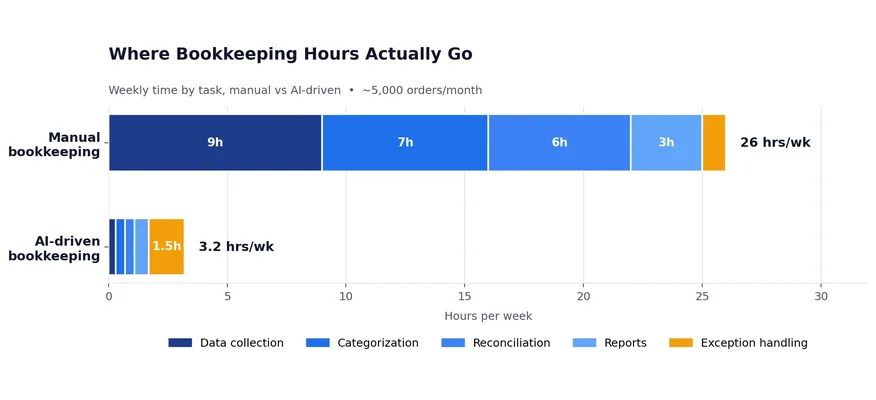
Ręczna księgowość w branży e-commerce pochłania mnóstwo czasu. Pobieranie raportów, weryfikacja rozbieżności i procesowanie transakcji są nie tylko żmudne, ale też generują ryzyko pomyłek. Dzięki agentom AI kroki te zostają zautomatyzowane, co daje Ci więcej czasu na analizę wyników i planowanie, zamiast ciągłego ścigania uciekających liczb.
Wyobraź sobie, że realizujesz codzienne zamówienia, a oprogramowanie zajmuje się całą resztą. Taka automatyzacja może skrócić czas potrzebny na księgowość o ponad 50%, zachowując przy tym najwyższy poziom precyzji.
Widoczność danych w czasie rzeczywistym
Czy podsumowujesz swoje finanse tylko raz w miesiącu? Zautomatyzowana księgowość e-commerce sprawia, że Twoje dane finansowe są aktualizowane na bieżąco, a nie tylko na koniec okresu rozliczeniowego. Oznacza to stały dostęp do wskaźników takich jak całkowity przychód, koszt własny sprzedaży czy dzienny zysk netto.
Dysponując aktualnymi danymi, możesz odpowiednio wcześnie wychwycić negatywne trendy zanim uderzą w Twój biznes — m.in. nagły wzrost kosztów reklamy, spadające marże czy opóźnienia w wypłatach od procesorów. Wiarygodny wgląd w dane zmienia raporty w skuteczne narzędzia do podejmowania decyzji, a nie tylko w historyczne podsumowania.
Czyste raporty, które rosną wraz z Twoim biznesem
W miarę rozwoju Twojego sklepu internetowego na Twojej drodze mogą pojawić się inwestorzy, doradcy lub instytucje finansowe, wymagający spójnych i zweryfikowanych danych. Księgowość e-commerce oparta na AI gwarantuje, że informacje finansowe są uporządkowane, przejrzyste i łatwe do prześledzenia, co ułatwia przejście przez audyty czy rundy finansowania. Twoje księgi rosną wraz z operacjami, zachowując taką samą rzetelność przy 10 000 zamówień, jak i przy 100.
Jak agenci AI usprawniają raportowanie finansowe
Dobrze prowadzona księgowość to fundament, a dokładne raporty to zasłużona nagroda.
Dokładniejsza analiza kanałów i produktów
Prawidłowo wdrożona księgowość potrafi precyzyjnie wskazać, gdzie generujesz największe zyski. Rozbija wyniki na poszczególne kanały sprzedaży oraz linie produktowe, identyfikując najlepiej sprzedające się towary oraz obszary, w których marża zaczyna topnieć.
Narzędzia AI mogą również zidentyfikować inne trendy, np. konkretny produkt, który generuje wyjątkowo dużo zwrotów, lub rabaty, które zbyt mocno obniżają rentowność. Tego typu wnioski są bezcenne przy optymalizacji polityki cenowej i marketingowej.
Planowanie scenariuszy i prognozowanie
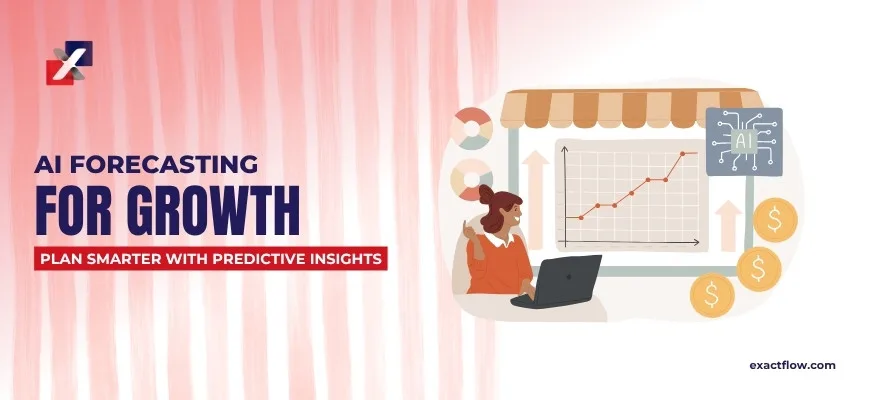
Sztuczna inteligencja nie ogranicza się tylko do monitorowania obecnych statystyk. Systemy te, dysponując uporządkowanymi danymi, potrafią również prognozować przyszłość.
- Jak podwyżka cen wpłynie na ostateczne marże.
- Co stanie się z zyskami, jeśli wzrosną koszty wysyłki kurierskiej.
- Jaki wpływ na strumień przychodów będzie miało wejście na nową platformę marketplace.
W tym ujęciu oprogramowanie księgowe dla e-commerce staje się silnikiem do budowania symulacji. Dzięki narzędziom takim jak Wave czy Zoho Books, modele prognozowania pozwalają testować różne koncepcje „na sucho”, pomagając w podejmowaniu trafniejszych decyzji budżetowych.
Jak wybrać oprogramowanie księgowe z AI dla e-commerce
Właściwy program może przekształcić księgowość z przykrego obowiązku w inteligentny system biznesowy. Szukając narzędzi dla siebie, zwracaj uwagę na:
- Płynną integrację z Twoimi sklepami, bramkami płatniczymi i systemami wysyłkowymi.
- Elastyczne reguły kategoryzacji dostosowane do specyfiki handlu online.
- Obsługę wielu walut z automatyczną aktualizacją kursów wymiany.
- Niezawodne mechanizmy uzgadniania transakcji (matching), zapobiegające błędom w danych.
- Przejrzyste panele (dashboards), które zamieniają suche liczby w gotowe wskazówki biznesowe.
Warto również szukać rozwiązań księgowych AI zaprojektowanych specjalnie dla małych i średnich firm działających online. Systemy te często łączą w sobie prognozowanie, analizę sprzedaży oraz kontrolę kosztów. Zapraszamy do zakładki O nas.
Najlepsze systemy sprawiają, że automatyzacja księgowości e-commerce przebiega tak gładko, że niemal jej nie zauważasz. Masz pewność, że raporty są bezbłędne, a Twoja interwencja jest wymagana tylko wtedy, gdy sytuacja naprawdę potrzebuje ludzkiego oka lub akceptacji.
Od działań ręcznych do inteligentnych: Ewolucja Twojej księgowości
Aby zacząć, nie musisz od razu wywracać wszystkiego do góry nogami. Wprowadzaj automatyzację stopniowo, krok po kroku.
Zacznij od małych kroków
- Rozpocznij od włączenia automatycznego importu danych sprzedażowych z Twojej głównej platformy.
- Następnie skonfiguruj reguły automatycznego dopasowywania i kategoryzacji transakcji.
- Gdy upewnisz się, że wszystko działa, zintegruj pełne uzgadnianie kont i zaawansowane raporty.
Z każdym kolejnym krokiem eliminujesz godziny powtarzalnej pracy i podnosisz ogólną dokładność, sprawiając, że Twoja księgowość zaczyna działać proaktywnie, a nie reaktywnie.
Pamiętaj o roli człowieka w procesie
Agenci AI są niezrównani pod względem szybkości i powtarzalności, jednak nadzór eksperta wciąż pozostaje kluczowy. Połączenie automatycznych narzędzi z ludzkim doświadczeniem pozwala wyłapywać nietypowe anomalie lub dostosowywać reguły do zmieniającej się sytuacji rynkowej. Automatyzacja daje potężną wydajność, a okazjonalna weryfikacja przez specjalistę zapewnia strategiczne bezpieczeństwo.
Podsumowanie
Tradycyjne arkusze i ręczne wprowadzanie danych nie nadążą za tempem rozwoju nowoczesnego e-commerce. Księgowość oparta na sztucznej inteligencji przekształca monotonny obowiązek w sprawnie działający mechanizm, który automatycznie śledzi każdy zakup, opłatę i koszt.
Wdrażając agentów AI oraz nowoczesne oprogramowanie księgowe dla e-commerce, zyskujesz stały dostęp do aktualnych liczb, głęboką analitykę i pełen spokój o finanse firmy. ExactFlow pomaga markom e-commerce łączyć ich platformy sprzedażowe, konta bankowe i systemy księgowe tak, aby cała administracja działała cicho w tle, podczas gdy Ty skupiasz się na skalowaniu biznesu. Skontaktuj się z nami już dziś.
Traktuj procesy księgowe jako inwestycję, a nie jako zło konieczne. Twoje raporty finansowe mogą być szybsze, inteligentniejsze i gotowe na rozwój wtedy, kiedy Ty jesteś — dzięki przeniesieniu najcięższej pracy na automatyzację.
Najczęściej zadawane pytania (FAQ)
Czym jest księgowość w e-commerce?
To uporządkowany proces rejestrowania wszystkich transakcji online — w tym sprzedaży, zwrotów, podatków i kosztów operacyjnych — w celu prowadzenia dokładnej i zgodnej z przepisami dokumentacji finansowej.
Czym różni się księgowość e-commerce od tradycyjnej?
Wymaga obsługi wielu kanałów jednocześnie, skomplikowanych systemów prowizyjnych oraz ogromnego wolumenu transakcji, co sprawia, że automatyzacja staje się wręcz niezbędna.
Na co zwrócić uwagę przy wyborze oprogramowania księgowego dla e-commerce?
Kluczowe znaczenie mają stabilne integracje, automatyczne uzgadnianie danych (matching) oraz zaawansowana analityka, które wspólnie maksymalnie upraszczają wprowadzanie danych.
W jaki sposób inteligentna księgowość wspiera rozwój e-commerce?
Dostarcza bieżących informacji o kondycji finansowej i przepływach pieniężnych (cash flow), co pozwala na szybsze podejmowanie trafnych decyzji biznesowych w oparciu o twarde dane.