
10 min czytania
Przewodnik lidera sprzedaży po strategii AI
Autor: ExactFlow Team
29 kwietnia 2026
Sprzedaż zmienia się bardzo szybko. Przyszłość outreachu będzie oparta na personalizacji i odpowiednim wyczuciu czasu, podczas gdy liderzy oczekują dokładniejszych prognoz i ambitniejszych celów przy ograniczonych zasobach. Dlatego sztuczna inteligencja w sprzedaży staje się coraz bardziej popularna w zespołach — nie jako modne hasło, ale jako metoda oszczędzania czasu, zwiększania spójności i zamykania większej liczby transakcji.
Poniższy artykuł pokaże, jak jako lider podejść do AI w sprzedaży: gdzie ją wdrażać, co automatyzować i jak znaleźć odpowiednie narzędzia bez przeciążania zespołu.
Co naprawdę oznacza AI w sprzedaży?
Przed wdrożeniem jakichkolwiek narzędzi musisz jasno rozumieć, co AI w sprzedaży może dla Ciebie zrobić. W uproszczeniu polega to na wykorzystaniu inteligentnych systemów do analizy danych, priorytetyzacji zadań i obsługi powtarzalnych czynności, aby ludzie mogli skupić się na faktycznej sprzedaży.
Zamiast zmuszać handlowców do zgadywania, do kogo zadzwonić i ręcznego logowania każdej interakcji, AI w sprzedaży może sugerować najlepsze kolejne działania, pisać e-maile i odkrywać insighty z już posiadanych danych.
Dlaczego liderzy sprzedaży potrzebują strategii AI
Wdrożenie narzędzia i liczenie na sukces to nie strategia. Rolą lidera jest określenie, w jaki sposób AI w sprzedaży pomoże osiągnąć cele przychodowe, usprawnić proces sprzedaży i wesprzeć zespół.
Solidna strategia AI pomaga:
- Priorytetyzować przypadki użycia, które naprawdę wpływają na wyniki.
- Unikać chaosu narzędziowego i duplikacji funkcji.
- Chronić zespół przed zmęczeniem kolejnymi „obowiązkowymi narzędziami”.
Co najważniejsze, dobrze zaprojektowane podejście do AI w sprzedaży zamienia technologię w przewagę konkurencyjną, a nie źródło rozproszenia. Według badań McKinsey & Company, AI znacząco wpływa również na produktywność sprzedaży w różnych branżach.
Gdzie pasuje agent AI dla sprzedaży
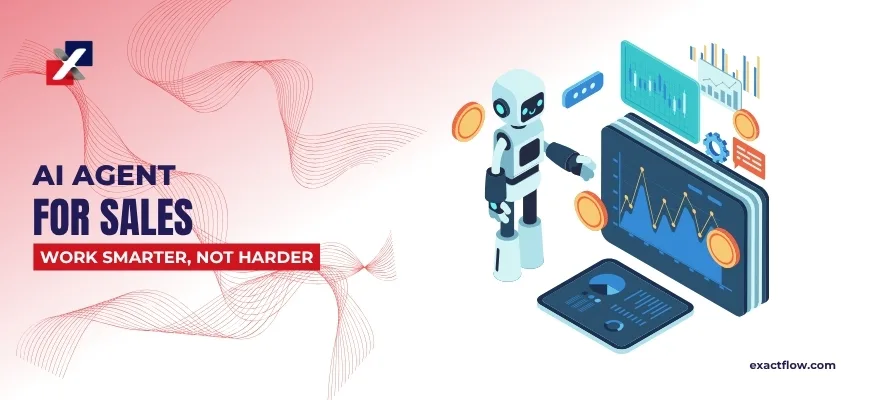
Agent AI dla sprzedaży to cyfrowy asystent wspierający handlowców i menedżerów w całym cyklu sprzedaży.
Praktyczne zastosowania agenta AI w sprzedaży
- Priorytetyzacja kont na podstawie dopasowania, intencji i zaangażowania.
- Rekomendowanie kolejnego e-maila, telefonu lub wiadomości.
- Automatyczne podsumowywanie notatek z rozmów i aktualizacja CRM.
- Wykrywanie ryzyka w szansach sprzedażowych przy spadku aktywności lub zmianie sentymentu.
Gdy agent AI jest zintegrowany z codziennym workflow, handlowcy wykonują mniej kliknięć, tracą mniej czasu i mogą spędzać więcej czasu z klientami.
Podstawy automatyzacji sprzedaży dla liderów
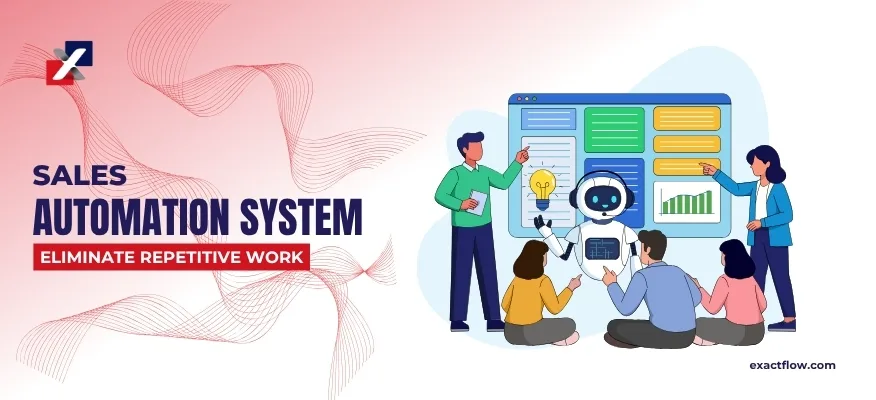
Automatyzacja sprzedaży polega na eliminacji manualnych, niskowartościowych zadań z dnia pracy zespołu. Nie wszystko, co zautomatyzowane, jest AI — ale oba podejścia często działają razem.
Dobre przypadki użycia automatyzacji sprzedaży
- Routing i przypisywanie leadów na podstawie reguł lub scoringu.
- Sekwencje follow-up po formularzach, trialach lub demo.
- Przypomnienia o odnowieniach, rozszerzeniach i kluczowych etapach.
Jako lider powinieneś nie pytać „co możemy zautomatyzować?”, ale „których rzeczy nigdy nie powinniśmy robić ręcznie?”. Automatyzacja działa najlepiej, gdy jest dobrze przemyślana. Wiele firm już korzysta z takich systemów. Zobacz naszą stronę O nas, aby dowiedzieć się więcej.
Jak wybrać odpowiednie narzędzie do automatyzacji sprzedaży
Opcji jest wiele, ale dobre narzędzie do automatyzacji sprzedaży powinno naturalnie wpisywać się w Twój obecny proces, a nie zmuszać do jego całkowitej zmiany.
Szukaj narzędzia, które:
- Integruje się z Twoim CRM i kanałami komunikacji.
- Zapewnia pełną widoczność sekwencji, zadań i wyników.
- Łączy rekomendacje AI z decyzjami człowieka (np. AI pisze e-mail, handlowiec zatwierdza).
W połączeniu z AI w sprzedaży odpowiednie narzędzie staje się kręgosłupem operacji: przewidywalnym, mierzalnym i skalowalnym. Wiele organizacji korzysta z systemów takich jak Salesforce do zarządzania danymi sprzedażowymi i relacjami z klientami.
Budowanie roadmapy AI dla sprzedaży
1. Zacznij od celów biznesowych, nie od funkcji
Zdefiniuj, co chcesz osiągnąć dzięki AI w sprzedaży:
- Lepsze pokrycie pipeline’u?
- Wyższe wskaźniki wygranych?
- Szybsze wdrożenie nowych handlowców?
- Dokładniejsze prognozy?
Połącz inicjatywy AI z jednym lub dwoma konkretnymi celami, aby móc mierzyć ich skuteczność.
2. Przeanalizuj obecny proces
Przeanalizuj swój proces sprzedaży i zapytaj zespół:
- Gdzie tracimy czas?
- Gdzie tracimy szanse sprzedażowe?
- Gdzie brakuje widoczności?
Taka analiza pozwala wybrać realne zastosowania AI w sprzedaży zamiast teoretycznych koncepcji.
3. Priorytetyzuj 1–3 przypadki o największym wpływie
Przykłady:
- Prospecting i scoring leadów z użyciem AI.
- Podsumowania rozmów i automatyczne aktualizacje CRM.
- Rekomendacje kolejnych kroków i treści dla aktywnych szans sprzedażowych.
Zacznij od małych kroków, mierz efekty i skaluj. W ten sposób buduje się zaufanie do AI w sprzedaży.
Prowadzenie zespołu przez zmianę AI
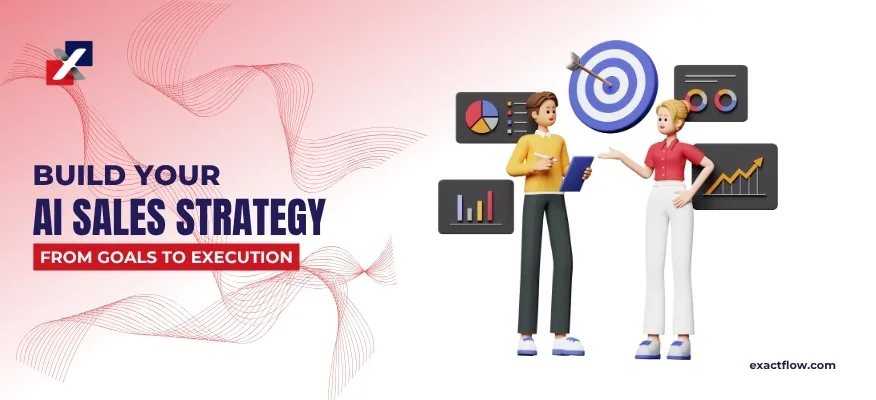
Technologia sama nie zmienia wyników — zmienia je przywództwo.
Komunikuj „dlaczego”
Handlowcy mogą obawiać się kontroli lub zastąpienia. Wyjaśnij jasno: celem AI w sprzedaży jest eliminacja powtarzalnej pracy i umożliwienie skupienia się na sprzedaży.
Włącz najlepszych od początku
Zaangażuj top performerów w pilotaże. Staną się ambasadorami, gdy zobaczą realny wpływ AI na ich wyniki.
Szkol, nie tylko wdrażaj
Pokaż zespołowi:
- Jak używać sugestii AI jako punktu wyjścia, a nie skryptu.
- Jak edytować i personalizować treści generowane przez AI.
- Jak automatyzacja pomaga osiągać cele sprzedażowe.
Dobre szkolenie sprawia, że AI w sprzedaży staje się codziennym nawykiem. Skontaktuj się z nami już dziś.
Pomiar wpływu AI w sprzedaży
Nie można skalować tego, czego nie da się zmierzyć. Ustal prosty dashboard dla każdej inicjatywy.
Monitoruj m.in.:
- Czas zaoszczędzony na zadaniach administracyjnych na handlowca.
- Wzrost liczby wartościowych rozmów (spotkania, demo).
- Zmiany w win rate i długości cyklu sprzedaży.
- Poziom adopcji narzędzi automatyzacji i funkcji AI.
Łatwiej utrzymać budżet i wsparcie, gdy możesz pokazać, że AI w sprzedaży zwiększa czas sprzedażowy i wyniki.
Podsumowanie
AI nie naprawi zepsutego modelu sprzedaży, ale może znacząco wzmocnić dobrze działający system. Dobrze zaprojektowana strategia AI pomaga zespołowi pracować na właściwych kontach, prowadzić lepsze rozmowy i spędzać mniej czasu na administracji.
Jeśli podejdziesz do AI w sprzedaży z jasnymi celami i podejściem skoncentrowanym na ludziach, zbudujesz organizację szybszą, bardziej efektywną i nastawioną na wyniki.
ExactFlow pomaga liderom sprzedaży łączyć AI i automatyzację z workflow, aby zespoły mogły skupić się na sprzedaży zamiast na narzędziach.
Prawdziwa szansa jest prosta: traktować AI w sprzedaży jak zaufanego współpilota, wdrażać ją stopniowo i stale ulepszać, aż stanie się naturalną częścią procesu sprzedaży.
Frequently Asked Questions
Czym jest AI w sprzedaży?
Czym jest AI w sprzedaży?
AI w sprzedaży to wykorzystanie sztucznej inteligencji do wspierania zespołów sprzedażowych w scoringu leadów, rekomendacjach działań, pisaniu e-maili, prognozowaniu i wykrywaniu ryzyk w szansach sprzedażowych.
Czym różni się agent AI od tradycyjnej automatyzacji?
Czym różni się agent AI od tradycyjnej automatyzacji?
Agent AI uczy się na podstawie danych i kontekstu, podczas gdy automatyzacja działa według sztywnych reguł. AI potrafi dynamicznie analizować, rekomendować i priorytetyzować.
Na co zwrócić uwagę przy wyborze narzędzia do automatyzacji sprzedaży?
Na co zwrócić uwagę przy wyborze narzędzia do automatyzacji sprzedaży?
Dobre narzędzie powinno integrować się z CRM, automatyzować kluczowe procesy, oferować jasne raportowanie i najlepiej zawierać funkcje AI, takie jak scoring czy sugestie treści.
Jak zwiększyć adopcję AI w sprzedaży?
Jak zwiększyć adopcję AI w sprzedaży?
Zacznij od małych przypadków użycia, zaangażuj najlepszych handlowców, zapewnij szkolenia i pokazuj konkretne wyniki. Adopcja rośnie wraz z realnymi efektami.